







Jasmine Birtles
Your money-making expert. Financial journalist, TV and radio personality.



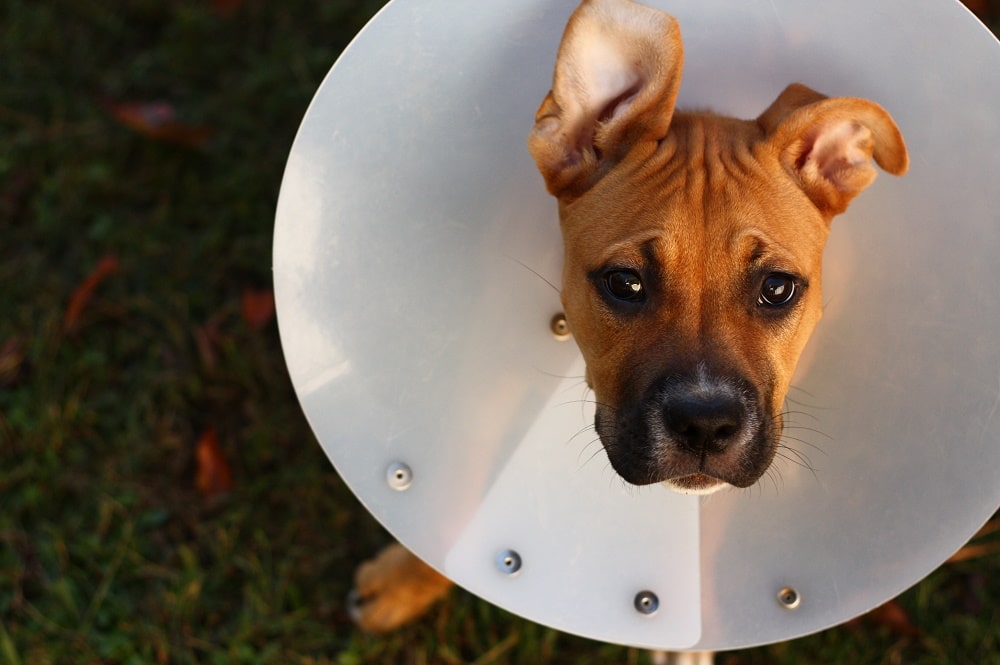
Pet insurance is absolutely essential if you own a cat or dog. Vet bills can be seriously expensive and without pet insurance it’ll be up to you to foot the bill. At the moment a number of the big pet insurance companies are offering impressive online discounts. From less than £4 a month you can relax knowing that if your pet does get ill, your only concern will be getting them better.
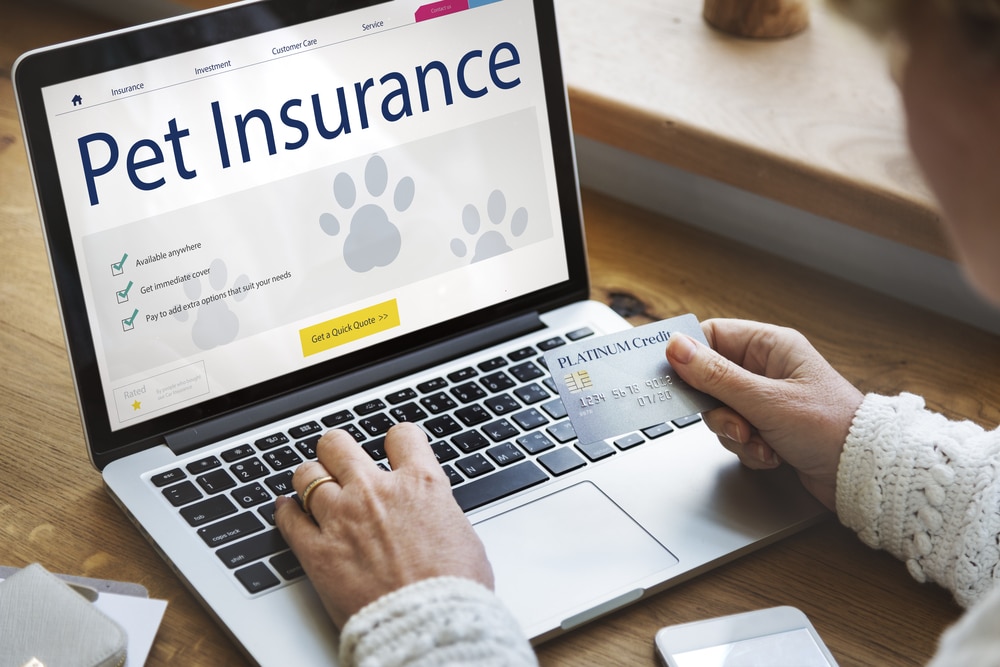
You can get pet insurance to cover all different types of animals, from dog insurance and cat insurance to exotic animal insurance and more. Knowing which pet insurance to go for can be tricky, and before buying any you really need to consider the needs of your pet.
Pet insurance is primarily to help you pay vet bills if your pet falls ill and needs medical treatment. Some policies will cover the costs of looking for your animal if it goes missing or is stolen, cancellation of a holiday if the pet is ill and emergency pet boarding.
The big cost to pet owners, on the whole, is vet bills which are going up all the time. Even small operations can cost £100s and larger ones, particularly for bigger animals, can easily slip into £1,000s. Pet insurance really makes sense when you look at the monthly costs. It can set you back as little as £4 a month for a cat and £6 a month for a dog on a basic policy.
No pet owner can get round vet bills any other way. You can make an application to the Blue Cross which might help if you can show that you are on social security benefits. There is also the charity, the Peoples’ Dispensary for Sick Animals, which helps pets, but only the pets of the needy. Suddenly you start appreciating just what you are getting on the National Health.
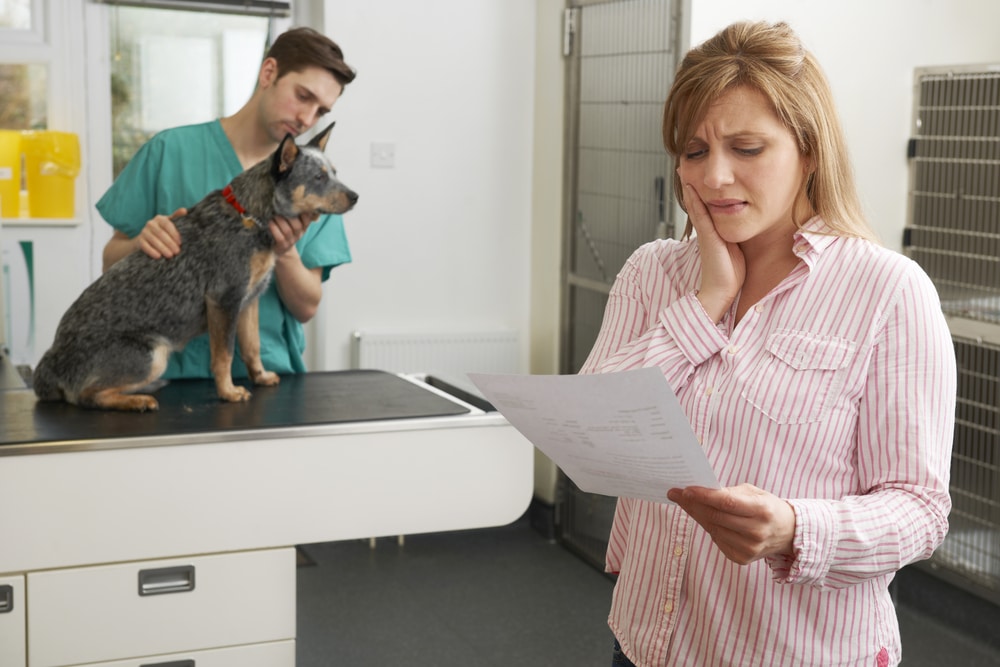
Absolutely. There’s no law saying you have to get it, but if you don’t then be prepared to cough up should your pet get ill. Two out of three pets need vet treatment every year and that fees for these treatments increase by 12% yearly. When you think that your pet’s broken leg could cost up to £2,000 or a blocked intestine as much as £500, £6 a month for pet insurance suddenly seems pretty reasonable.
Pet insurance can also cover a wide range of eventualities, from paying out for advertising if kitty goes awol, to covering the cost of your missed holiday if pooch is poorly. The best pet insurance policies should cover vets fees for x-rays, surgery and hospitalisation as a result of accident or illness, and treatment of long term conditions. They should also include cover for legal fees should your pet be involved in an accident or attack a third party.
Benefits for death from illness or accident and reward expenses for stolen and missing pets are another benefit of insuring your pet. Some polices will also cover complementary medicine and behavioural disorders as well as covering holiday cancellation expenses if your pet needs emergency treatment.
As a rule, small pets like hamsters and guinea pigs are not worth insuring. Most of the time, they don’t live long enough to make the payments worthwhile. But if you would like information on how to care for your small pet then take a look at the RSPCA’s guide on how to look after them.
Your premium can be affected by a great deal of things. Obviously, the type of animal you have will play a massive part in your insurance, so will its age, pedigree and where you live (generally, vets bills are higher the further south you travel and are naturally way more expensive in London).
Of course young cats and dogs are cheaper to insure than the pets that are getting on a bit. Breed, medical history and how much ‘excess’ you will pay before the policy kicks in – £30? £60? – also affects how much you will have to pay in premiums. Don’t forget that a whole load of routine veterinary items, like being spayed, are not included in many types of cover.
It can be difficult to compare pet insurance policies as different ones have different types of cover so it’s hard to compare like with like. For a start, different companies have very different ways of paying out if you claim. Some pay you up to a total amount per year, or per condition or operation. Others will only pay for a single claim per year then other policies will pay for a single claim with no time limit.
Before you start to take out cover for your pet, decide exactly what you want and need from your insurance. For example, you might want extras such as:

Getting the best deal is the trickiest part. There is a wide range of policies with all sorts of different bells and whistles (such as the extras mentioned above). It’s hard to compare like with like but here’s how to go about it:
Make sure you read through what the different policies offer. The cheapest one may not be the best for you because it may not cover the aspects you need. And don’t be dazzled by impressive discounts before reading the smaller print, as it’s there that you might find a term that doesn’t suit you and your pets needs.
There are a few ways you can bring the monthly premiums down:
Most insurers will limit the amount of money they pay out to you. They can do this in a number of ways. The first is a yearly limit. This means that once the company has paid out a certain amount for vets bills, boarding costs and death cover etc. you’re on your own. Insurers will often try to sell you a higher priced cover to raise the yearly limits but rather than jumping at the chance to spend more money, ask yourself whether or not your pet is really likely to need that much money to cover its costs. The second way an insurer can limit your cover is to pay per illness. If your pet acquires a long term illness such as diabetes then your plan will only cover you to a certain amount and then once again you’re on your own. This can be particularly troublesome with older pets which develop illnesses that last a long time. Some policies will also only pay out for a specific period of time for a particular illness, so a policy may cover your dog for its first year of diabetes but not the second.
It’s worth noting that life doesn’t always mean life. Check the small print on anything you sign. An insurer might well advertise lifetime cover but they’re likely to increase the premium as your pet gets older, and existing ailments might not be covered when you renew your policy. Also, insurers will often not insure pets over eight years old as they’re more likely to need the vet. It’s worth considering insuring your pets for life when they’re young then they will be covered.
Policy excesses vary between insurers. Check that you are not required to pay too high a proportion of vets’ bills yourself to make the policy worthwhile.
A lot of insurance companies will either charge you much higher premiums, or not cover you at all if your pet has an existing medical condition. This could be anything from a knee injury to a dodgy eye so you should check with the insurer. Also, a lot of pedigree animals are at a much higher risk of hereditary conditions so cover for these types of animals will always be higher.
Surprisingly, pet theft is rife in Britain. As many as 500 dogs are stolen every month in the UK. Cats are also high up on the list and even exotic birds, reptiles and fish can be stolen. If you know your animal is in particularly high demand, is expensive, or is quite an attractive looking fellow then make sure your policy covers theft. For more information on dog theft and how to keep your pooch safe check out the website: Home Security Action.
One way to avoid paying monthly insurance costs and risking your money going to waste is to set up a savings account that is your own ‘pet insurance’. This isn’t a special kind of bank account, it simply means that you pay a certain amount every month into this account which you earmark for vet bills. This way, you earn interest on the money you pay in, and if your pet doesn’t actually go to the vet then you’ll have the money to spend on whatever you like.
The only risk associated with this idea is that your pet might fall ill before you’ve had the chance to save up enough to cover the costs, in which case you would have to pay out whatever is remaining from the money you’ve saved.
A number of big pet insurance companies are currently offering impressive discounts if you book online. They each come with their own terms and conditions, so make sure that you’ve read our ‘what to look out for’ section before progressing. Here’s a brief summary of what they are offering:
 Dog insurance from £3.01 a month and cat insurance from £2.76 a month
 20% online discount – 12 months for the price of 10.
 15% online discount.
Your money-making expert. Financial journalist, TV and radio personality.






Exactly, what i was looking for!
i got a v good deal recently by comparing pet insurers and then buying via a cash back site ‘quidco’ which gave me £30 back on an already good by with ‘more than’