





Jasmine Birtles
Your money-making expert. Financial journalist, TV and radio personality.



It’s World Book Day!
If you’re a parent and one of your offspring currently has their nose in a classic Ladybird book, wrestle it out of their hands at once and stick it in the attic.
It could be worth some serious money one day.
Because on the quiet, and almost under the noses of traditional booksellers, the desirability of Ladybird books has risen over the past few years to the point that some rare and collectable copies can now change hands for hundreds of pounds a pop. Not bad for a series which for thirty years sold for 2s 6d each.
Here’s how to make money from collecting and selling vintage Ladybird books.

If you are looking to buy books specifically to sell to collectors, you have to know what they are looking for.
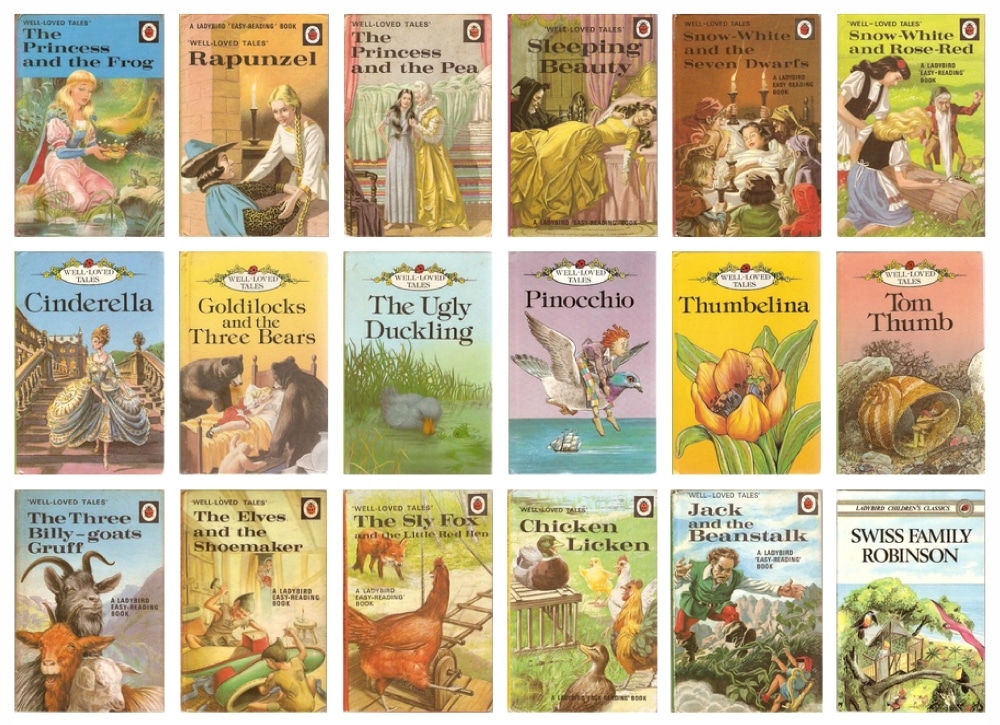
While most collectors either try to amass one of everything the company produced (quite a feat as there were several hundred produced between the most popular period 1940-1980) others specialise in a single series such as Fairy Tales and Rhymes, Animals or Adventures from History to name but a few. Some Ladybird enthusiasts will hunt high and low for first editions, while others are drawn to particular illustrators and their imaginative artwork.
If you are serious you want to make money selling vintage Ladybird books, it’s important to remember that prices will depend on three main factors – which series they are from (some are much more popular than others), how rare they are and the condition of the book.
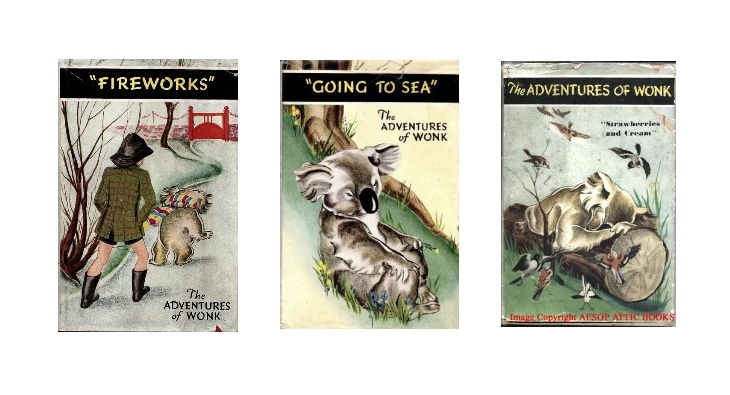
The early, six-book set of ‘Adventures of Wonk’ – series 417 – for example, is well-sought after by collectors across the country and is a sure bet when you set out to make money selling vintage Ladybird books. These books, which feature stories about a koala bear illustrated by Joan Kiddell-Monroe, can sell for as much as £267.80 per copy with dust jacket and at £273.80 on eBay.
Cinderella, the 606d series, is a much-loved title and was changing hands a few years ago for £5 a copy but are now going for around £45 each without a dustcoat, and £80.88 for a copy with a dustcoat.
Collectors disagree on which book is the rarest, but The Impatient Horse (the only book in series 538) or High Tide (the last book in series 401) are considered difficult to find.
Allegedly, there was a special printing of ‘The Computer’ from the ‘How it Works’ series (series 654) which was produced privately for the Ministry of Defence in 1971. According to industry rumours, a limited edition of 100 copies of this book was printed in plain brown covers to prevent staff from being insulted that they were learning about computers from a children’s book. A plain-covered copy of this title has never been found to date, but always worth keeping your eye out just in case!
Generally speaking the older your book is, the more it’s likely to fetch you as you set off to make money selling vintage Ladybird books. It can be difficult identifying this on some Ladybird books as they have a tally system and each tally number corresponds to a different year. This tally chart also tells you how many books have been published by Ladybird. If your book has a tally number, check below to see when it was printed.
1963 – 100
1965 – 120, 135, 140
1966 – 150, 160, 170
1967 – 190, 200
1968 – 210, 220, 225
1969 – 230, 240, 250, 260
1970 – 270, 280
1971 – 290
1972 – 300
1973 – 320, 330, 340
1974 – 350, 360, 370

When it comes to sourcing these books, the possibilities are endless.
The most obvious starting point should be your own childhood library. Alternatively, keep your eyes peeled at boot sales and charity shops or trawl sites such as Gumtree.com, eBay.co.uk or Preloved.co.uk. To find a local boot sale, visit Carboot Junction.
Even retailers such as Amazon.co.uk have people flogging their vintage books, and you might be able to pick one up for a song. Also worth a look are specialist online book shops dedicated to Ladybird Books. On the Arran Alexander Collection site, for example, you can find thousands of titles offer, but prices vary depending on the rarity of the book.

The best bargains can still be found in car boot sales as many individuals don’t realise they can make money selling their vintage Ladybird books. Opportunities for a knockdown deal are getting rarer, though. Ten years ago, you could get a whole box of Ladybird books for £1 at car boot sales or pick them up for 5p in charity shops.
But with the internet, and particularly eBay, prices have shot up over the last five years. People are starting to see what they can get for their old books and it’s getting harder to find great bargains. Prices have gone up by hundreds of per cent. Even charity shops like Oxfam, which have book experts on hand, expect higher prices, so you have to be careful that you don’t pay over the odds.
To make money selling vintage Ladybird books you should go for first editions as they fetch the highest prices as due to scarcity. But finding these can be tricky, as the earlier books do not have the obvious markings. For instance, only later editions from the 1970s onwards would state ‘First Edition’ on the copyright page of the books while the earlier books – from 1940 to 1965 – are harder to identify. You can find several guidelines to follow that will help you determine if you’ve found a corker. For instance, according to bookselling and collecting website, TheWeeWeb.co.uk, all Ladybird books printed before 1965 were published with dust-jackets, most of which had the price of 2’6 Net printed on the inside front flap – although, with some of the first editions from the series of the 1940s there was no mention of price.
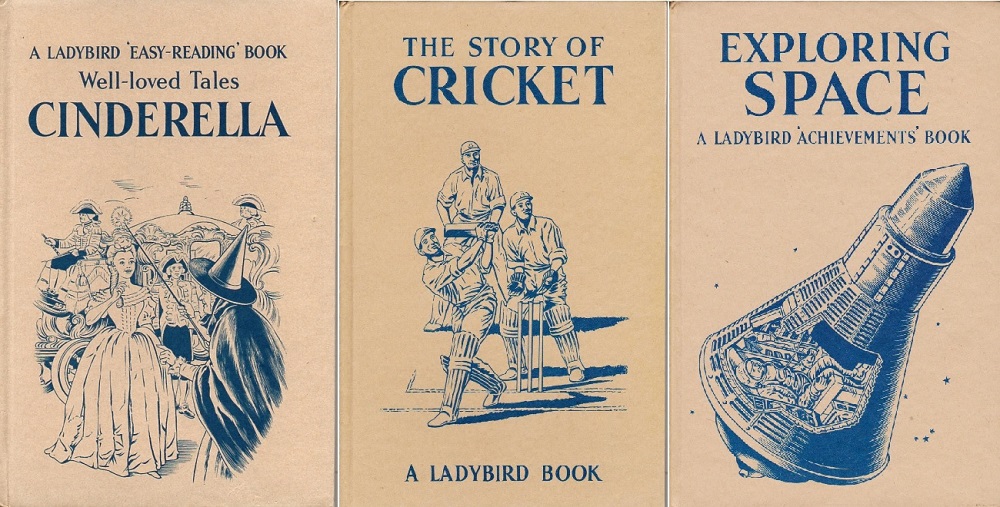
While those without prices can also be approximately dated by examining the logos on the cover or the colour Endpapers – a leaf of paper at the beginning or end of a book, typically one fixed to the inside of the cover.
To find out if you’ve got your hands on a Ladybird first edition, check out theweeweb.co.uk where you can type in the title of the book in question (so long as it was printed between 1940-1980). The site also outlines all the different dating guidelines that can help you identify if you have yourself a winner.
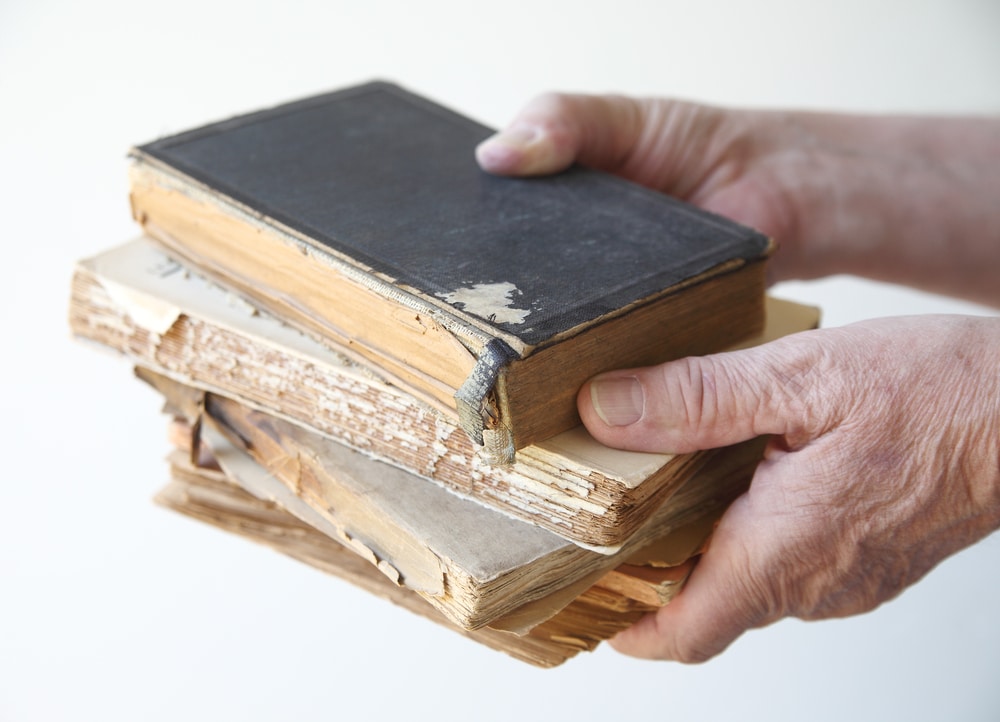
A quick look on Amazon.co.uk reveals that you buy vintage Ladybird books on the site, but how do you know if you are getting a collectable? What do you need to look for in terms of quality and condition in order to flog the book for a tidy profit? Surely, it’s not as easy as searching online for a copy?
When considering the purchase of a book for your collection, the condition of the book and the dust jacket are crucial. You can make money selling vintage Ladybird books if you are familiar with the basic descriptive terms used by used and rare booksellers to communicate a particular book’s condition. To learn more about the jargon used to describe the quality of a book, check out this handy guide from Abe Books.
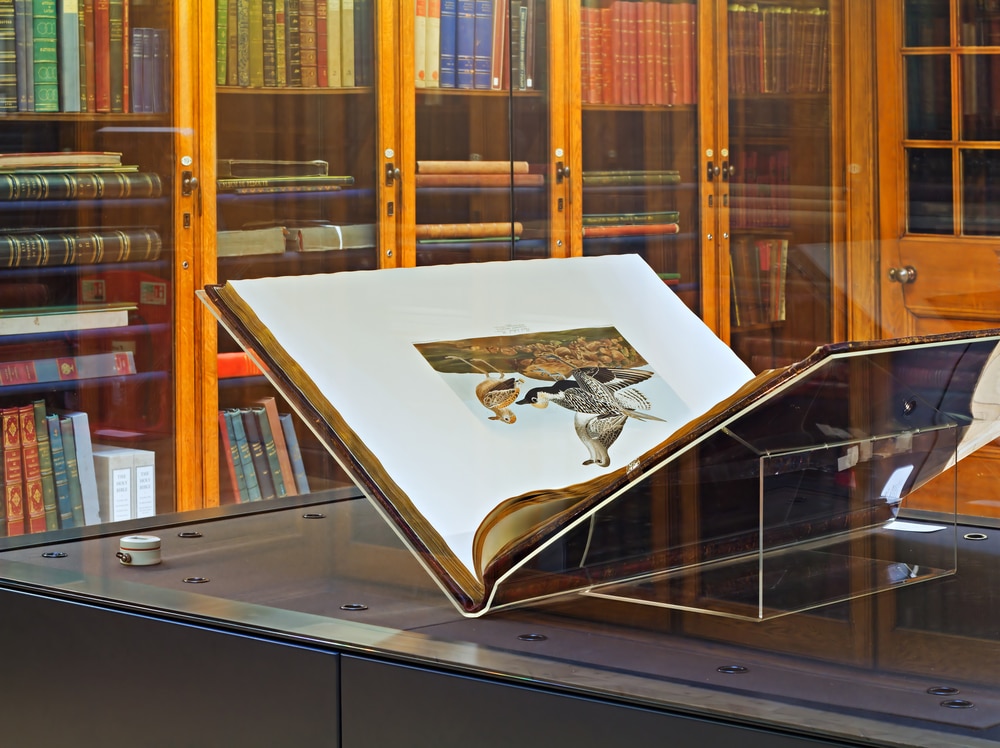
Once you’ve acquired some valuable books, you must store them properly so that they don’t get damaged. After all, if you’ve just paid £200 for a book you don’t want to store it somewhere it can start to grow mould.
Never keep books in a hot or humid spot; as hot, dry temperatures can dry out and crack leather bindings the mould that grows in damp places will damage them, along with any other paper-based objects. Wrapping books in plastic bags to prevent damp is also a bad idea as it can retain heat and moisture which also leads to mould growth and mildew.
Before storing, check the surrounding areas for signs of insects or rodents. Opt for small- or medium-size boxes or plastic totes, which will be moisture-proof. Avoid any boxes that have been used for food storage; the odours and leftover debris can attract pests.
Light levels are also a hugely important factor in keeping your books in pristine condition. You should never leave your books in direct sunlight as it’ll bleach the colours out in the spines or covers, leaving your books looking washed out and faded.
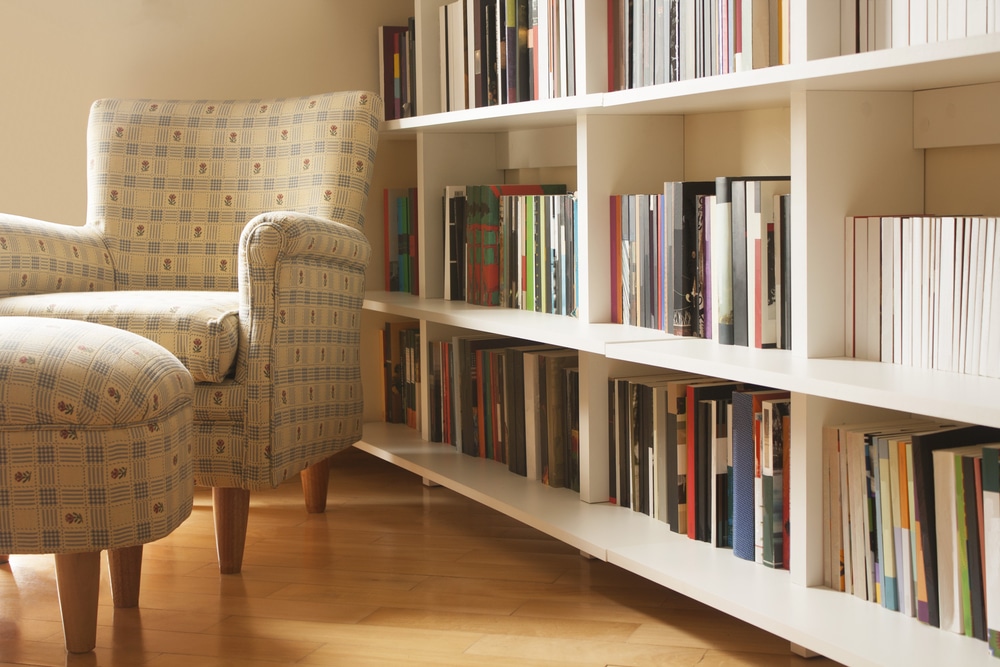
Store similar-size books together, either lying flat or standing upright, with their paper edges facing upward, which will prevent the books from warping and the pages from bending. Likewise, put the heaviest books at the bottom of the container, and pack paperbacks tightly, so they don’t fall over or collapse. It’s a good idea to store the boxes on a shelf in case of any leaks or flooding.
You can keep your books in boxes, but it’s better to keep them standing upright on a shelf out of the way of harmful sunlight. Don’t pack books in too tightly as you can risk damaging the covers when you come to take them off the shelf. Also, try and keep books of the same size next to each other; otherwise, you run the risk of the covers warping and getting damaged, ruining your chance to make money selling vintage ladybird books.
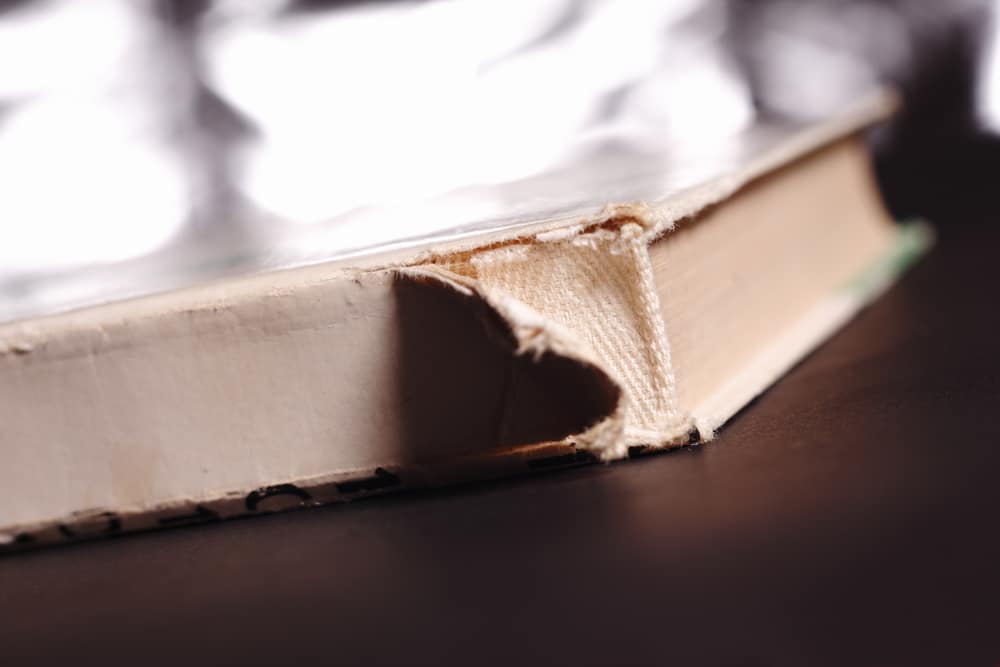
If a book is damaged by general wear and tear or if some of the pages have come loose then don’t despair, there is a chance it could be restored to its original glory if you take it to a professional bookbinder or restorer. Don’t attempt to mend it yourself – always seek professional help if the book is valuable. There’s probably someone in your local antiques or book shop who knows a good person to go to for repairs.

Once you’re ready to make money selling vintage Ladybird books, you need to find someone to buy them. Of course, you can go the usual route of eBay or Gumtree, but always double-check with any specialised dealers. A quick search on Google will throw up some names in your local area and if they are not interested in buying from you, it will give you an idea of what your collection is worth.
Remember, as with selling anything, always be clear in the description of the goods and highlight any damage or flaws. If selling online, include several high-quality photos and never send any goods until you have received payment.
TheWeeWeb.co.uk – bookselling and collecting website
Abe Books – published a useful explainer about book condition
Oxfam – charity shop that sells books online
Carboot junction – find boot sales in your local area
Gumtree.com – a free online marketplace for second-hand goods and vintage products
eBay.co.uk – an online shopping platform, selling fees apply but reaches more potential buyers
Preloved.co.uk – a free online marketplace specialising in second-hand goods
Amazon.co.uk – one of the largest online shopping sites in the world
Arran Alexander – an on-line bookshop that buys and sells classic and vintage Ladybird Books
The Provincial Booksellers Fairs Association – organises book fairs all over the UK. See their website for the location of their next fair.

<!–[endif]–><!–[endif]–>
If you’re a parent and one of your offspring currently has their nose in a classic Ladybird book, wrestle it out of their hands at once, put it in plastic and stick it in the attic. It could be worth some sensible money.
Because on the quiet, and almost under the noses of traditional booksellers, the desirability of Ladybird books has risen over the past few years to the point that some rare and collectible copies can now change hands for around £300. Not bad for a series which for thirty years sold for 2s 6d each.
Of course, with print-runs of thousands of copies, many books are still only worth pennies, but there are some surprises around.
How to get started
The first place to look of course is your own childhood library. Ladybirds are valuable to many who benefit from their increasing love of nostalgia and the comfort of childhood memories, a factor that could help them continue in popularity.
Most collectors either try to collect one of everything the company produced (quite a feat as there were several hundred produced between the most popular period – 1940-1980) or they specialise in a single series such as Fairy Tales and Rhymes, Animals or Adventures from History, to name but a few.
Some hunt high and low for first editions but it can be problematic as many Ladybird books often did not have any method for stating whether a book was a first edition or not.
Some collectors enjoy the books for the nostalgic childhood memories, while others like the uniformity in how great they look on shelves with the little bugs. Some are also drawn to particular illustrators and their imaginative artwork.
What to look for
Prices for Ladybird books seem to depend on two main factors – which series they are from (some are much more popular than others) and how rare they are. There is a page on The Wee Web that shows which series’ are more popular than others and which are particularly rare.
Some specific books and some whole series are now very rare and are sought by collectors all over the country. The early, six-book ‘Adventures of Wonk’ series, for example, is very hard to come by. The books, with stories about a Koala bear illustrated by Kiddell-Monroe, will sell for about £100 per copy with dust jacket and between £15-60 without.
The un-PC-sounding single book series ‘The Tinker’s Wig’ is also very hard to find. Published in 1947 it is something of an oddity as it is not only twice the size of a standard Ladybird book but it also broke Ladybird’s printing style by printing text on both sides of the pages and using fewer pictures. A copy with dust jacket would sell for £100-150, without you could get £40-60 for it.
Officially, the rarest Ladybird book – so rare, it seems, that not one collector has even seen one – is a special printing of ‘The Computer’ from the ‘How it Works’ series (series 654) which was produced privately for the Ministry of Defence in 1972.
Cinderella, a really well-loved title, was changing hands five years ago for £5 a copy. Now they’re £55 each and if you have one of the really rare copies that had a dust jacket it’s more like £250.
Generally speaking the older your book is, the more it is worth. It can be difficult identifying this on some Ladybird books as they have a tally system and each tally number corresponds to a different year. This tally chart also tells you how many books have been published by ladybird. If your book has a tally number, check below to see when it was printed.
100-1963 160-1966 220-1968 260-1969 320-1973 370-1974
120-1965 170-1966 225-1968 270-1970 330-1973
135-1965 190-1967 230-1969 280-1970 340-1973
140-1965 200-1967 240-1969 290-1971 350-1974
150-1966 210-1968 250-1969 300-1972 360-1974
Where to look
You find them in car boot sales, jumble sales, charity shops and on websites. Abebooks.co.uk and eBay are great.
Specialist bookshops often don’t know much about Ladybirds and it’s possible to get good ones at knock-down prices.
Opportunities are getting rarer, though. Ten years ago, you could get a whole box of Ladybird books for £1 at car boot sales or pick them up for 5p in charity shops.
But with the internet, and particularly eBay, prices have shot up over the last five years. People are starting to see what they can get for their old books and it’s getting harder to find the great bargains. Prices have gone up by hundreds of per cent.
The best bargains can still be found in car boot sales as many individuals don’t realise how much the books are worth. Charity shops like Oxfam, which have book experts on hand, do not sell them at the knock-down rate they used to.
There is not yet a society for Ladybird lovers but a few fans are discussing the possibility of setting one up. Once that happens, copies could be bought and sold even more energetically and prices, for the next decade or so at least, look like they will continue to rise.
Prices
From about 50p to £350 each.
Visit these websites to buy books and find out more information on collecting:
Caring for your books
Once you have acquired some valuable books, you really need to know how to store them properly so that the don’t get damaged, after all, if you’ve just paid £200 for a book you don’t want to store it somewhere it can start to mould.
First of all don’t store them anywhere where the temperature rapidly increases or decreases as hot, dry temperatures can dry out and crack leather bindings. But low temperatures can encourage mould to grow, so try and avoid storing books in damp places. Wrapping books in plastic bags to prevent damp is also a bad idea as it can retain heat and moisture which also leads to mould growth and mildew.
Its best to keep books away from water pipes incase they burst as well as heaters and radiators so they do not dry out. Try and keep the room temperature within the range of 16°C to 19°C (60-66°F); if you can measure relative humidity, it should be kept as within the range of 45% to 60%.
Light levels are also a hugely important element in keeping your books in pristine condition. You should never leave your books in direct sunlight as it will bleach the colours out in the spines or covers, leaving your books looking washed out and faded.
Storage
You can keep your books in boxes, but it is better to keep them standing upright on a shelf out of the way of harmful sunlight. Don’t pack books into tightly as you can risk damaging the covers when you come to take them off the shelf. Also try and keep books of the same size next to each other, otherwise you run the risk of the covers warping.
Book restoration
If a boo
If you’re a parent and one of your offspring currently has their nose in a classic Ladybird book, wrestle it out of their hands at once, put it in plastic and stick it in the attic. It could be worth some sensible money.
Because on the quiet, and almost under the noses of traditional booksellers, the desirability of Ladybird books has risen over the past few years to the point that some rare and collectible copies can now change hands for around £300. Not bad for a series which for thirty years sold for 2s 6d each.
Of course, with print-runs of thousands of copies, many books are still only worth pennies, but there are some surprises around.
How to get started
The first place to look of course is your own childhood library. Ladybirds are valuable to many who benefit from their increasing love of nostalgia and the comfort of childhood memories, a factor that could help them continue in popularity.
Most collectors either try to collect one of everything the company produced (quite a feat as there were several hundred produced between the most popular period – 1940-1980) or they specialise in a single series such as Fairy Tales and Rhymes, Animals or Adventures from History, to name but a few.
Some hunt high and low for first editions but it can be problematic as many Ladybird books often did not have any method for stating whether a book was a first edition or not.
Some collectors enjoy the books for the nostalgic childhood memories, while others like the uniformity in how great they look on shelves with the little bugs. Some are also drawn to particular illustrators and their imaginative artwork.
What to look for
Prices for Ladybird books seem to depend on two main factors – which series they are from (some are much more popular than others) and how rare they are. There is a page on The Wee Web that shows which series’ are more popular than others and which are particularly rare.
Some specific books and some whole series are now very rare and are sought by collectors all over the country. The early, six-book ‘Adventures of Wonk’ series, for example, is very hard to come by. The books, with stories about a Koala bear illustrated by Kiddell-Monroe, will sell for about £100 per copy with dust jacket and between £15-60 without.
The un-PC-sounding single book series ‘The Tinker’s Wig’ is also very hard to find. Published in 1947 it is something of an oddity as it is not only twice the size of a standard Ladybird book but it also broke Ladybird’s printing style by printing text on both sides of the pages and using fewer pictures. A copy with dust jacket would sell for £100-150, without you could get £40-60 for it.
Officially, the rarest Ladybird book – so rare, it seems, that not one collector has even seen one – is a special printing of ‘The Computer’ from the ‘How it Works’ series (series 654) which was produced privately for the Ministry of Defence in 1972.
Cinderella, a really well-loved title, was changing hands five years ago for £5 a copy. Now they’re £55 each and if you have one of the really rare copies that had a dust jacket it’s more like £250.
Generally speaking the older your book is, the more it is worth. It can be difficult identifying this on some Ladybird books as they have a tally system and each tally number corresponds to a different year. This tally chart also tells you how many books have been published by ladybird. If your book has a tally number, check below to see when it was printed.
100 – 1963 160-1966 220-1968 260-1969 320-1973 370-1974
120-1965 170-1966 225-1968 270-1970 330-1973
135-1965 190-1967 230-1969 280-1970 340-1973
140-1965 200-1967 240-1969 290-1971 350-1974
150-1966 210-1968 250-1969 300-1972 360-1974
Where to look
You find them in car boot sales, jumble sales, charity shops and on websites. Abebooks.co.uk and eBay are great.
Specialist bookshops often don’t know much about Ladybirds and it’s possible to get good ones at knock-down prices.
Opportunities are getting rarer, though. Ten years ago, you could get a whole box of Ladybird books for £1 at car boot sales or pick them up for 5p in charity shops.
But with the internet, and particularly eBay, prices have shot up over the last five years. People are starting to see what they can get for their old books and it’s getting harder to find the great bargains. Prices have gone up by hundreds of per cent.
The best bargains can still be found in car boot sales as many individuals don’t realise how much the books are worth. Charity shops like Oxfam, which have book experts on hand, do not sell them at the knock-down rate they used to.
There is not yet a society for Ladybird lovers but a few fans are discussing the possibility of setting one up. Once that happens, copies could be bought and sold even more energetically and prices, for the next decade or so at least, look like they will continue to rise.
Prices
From about 50p to £350 each.
Getting started
Visit these websites to buy books and find out more information on collecting:
Caring for your books
Once you have acquired some valuable books, you really need to know how to store them properly so that the don’t get damaged, after all, if you’ve just paid £200 for a book you don’t want to store it somewhere it can start to mould.
First of all don’t store them anywhere where the temperature rapidly increases or decreases as hot, dry temperatures can dry out and crack leather bindings. But low temperatures can encourage mould to grow, so try and avoid storing books in damp places. Wrapping books in plastic bags to prevent damp is also a bad idea as it can retain heat and moisture which also leads to mould growth and mildew.
Its best to keep books away from water pipes incase they burst as well as heaters and radiators so they do not dry out. Try and keep the room temperature within the range of 16°C to 19°C (60-66°F); if you can measure relative humidity, it should be kept as within the range of 45% to 60%.
Light levels are also a hugely important element in keeping your books in pristine condition. You should never leave your books in direct sunlight as it will bleach the colours out in the spines or covers, leaving your books looking washed out and faded.
Storage
You can keep your books in boxes, but it is better to keep them standing upright on a shelf out of the way of harmful sunlight. Don’t pack books into tightly as you can risk damaging the covers when you come to take them off the shelf. Also try and keep books of the same size next to each other, otherwise you run the risk of the covers warping.
Book restoration
If a book is damaged by general wear and tear or if some of the pages have come lose then don’t despair, there is a chance it could be restored to its original glory if you take it to a professional book binder or restorer. Don’t attempt to mend it yourself, always seek professional help if the book is valuable. Website inprint.com has a helpful list of contacts you could try, but there is probably someone in your local antiques or book shop who knows a good person to go to.
Events
The Provincial booksellers fairs association organises book fairs all over the UK. See their website for the location of their next fair.
If you’re a parent and one of your offspring currently has their nose in a classic Ladybird book, wrestle it out of their hands at once, put it in plastic and stick it in the attic. It could be worth some sensible money.
Because on the quiet, and almost under the noses of traditional booksellers, the desirability of Ladybird books has risen over the past few years to the point that some rare and collectible copies can now change hands for around £300. Not bad for a series which for thirty years sold for 2s 6d each.
Of course, with print-runs of thousands of copies, many books are still only worth pennies, but there are some surprises around.
How to get started
The first place to look of course is your own childhood library. Ladybirds are valuable to many who benefit from their increasing love of nostalgia and the comfort of childhood memories, a factor that could help them continue in popularity.
Most collectors either try to collect one of everything the company produced (quite a feat as there were several hundred produced between the most popular period – 1940-1980) or they specialise in a single series such as Fairy Tales and Rhymes, Animals or Adventures from History, to name but a few.
Some hunt high and low for first editions but it can be problematic as many Ladybird books often did not have any method for stating whether a book was a first edition or not.
Some collectors enjoy the books for the nostalgic childhood memories, while others like the uniformity in how great they look on shelves with the little bugs. Some are also drawn to particular illustrators and their imaginative artwork.
What to look for
Prices for Ladybird books seem to depend on two main factors – which series they are from (some are much more popular than others) and how rare they are. There is a page on The Wee Web that shows which series’ are more popular than others and which are particularly rare.
Some specific books and some whole series are now very rare and are sought by collectors all over the country. The early, six-book ‘Adventures of Wonk’ series, for example, is very hard to come by. The books, with stories about a Koala bear illustrated by Kiddell-Monroe, will sell for about £100 per copy with dust jacket and between £15-60 without.
The un-PC-sounding single book series ‘The Tinker’s Wig’ is also very hard to find. Published in 1947 it is something of an oddity as it is not only twice the size of a standard Ladybird book but it also broke Ladybird’s printing style by printing text on both sides of the pages and using fewer pictures. A copy with dust jacket would sell for £100-150, without you could get £40-60 for it.
Officially, the rarest Ladybird book – so rare, it seems, that not one collector has even seen one – is a special printing of ‘The Computer’ from the ‘How it Works’ series (series 654) which was produced privately for the Ministry of Defence in 1972.
Cinderella, a really well-loved title, was changing hands five years ago for £5 a copy. Now they’re £55 each and if you have one of the really rare copies that had a dust jacket it’s more like £250.
Generally speaking the older your book is, the more it is worth. It can be difficult identifying this on some Ladybird books as they have a tally system and each tally number corresponds to a different year. This tally chart also tells you how many books have been published by ladybird. If your book has a tally number, check below to see when it was printed.
100-1963 160-1966 220-1968 260-1969 320-1973 370-1974
120-1965 170-1966 225-1968 270-1970 330-1973
135-1965 190-1967 230-1969 280-1970 340-1973
140-1965 200-1967 240-1969 290-1971 350-1974
150-1966 210-1968 250-1969 300-1972 360-1974
Where to look
You find them in car boot sales, jumble sales, charity shops and on websites. Abebooks.co.uk and eBay are great.
Specialist bookshops often don’t know much about Ladybirds and it’s possible to get good ones at knock-down prices.
Opportunities are getting rarer, though. Ten years ago, you could get a whole box of Ladybird books for £1 at car boot sales or pick them up for 5p in charity shops.
But with the internet, and particularly eBay, prices have shot up over the last five years. People are starting to see what they can get for their old books and it’s getting harder to find the great bargains. Prices have gone up by hundreds of per cent.
The best bargains can still be found in car boot sales as many individuals don’t realise how much the books are worth. Charity shops like Oxfam, which have book experts on hand, do not sell them at the knock-down rate they used to.
There is not yet a society for Ladybird lovers but a few fans are discussing the possibility of setting one up. Once that happens, copies could be bought and sold even more energetically and prices, for the next decade or so at least, look like they will continue to rise.
Prices
From about 50p to £350 each.
Getting started
Visit these websites to buy books and find out more information on collecting:
Caring for your books
Once you have acquired some valuable books, you really need to know how to store them properly so that the don’t get damaged, after all, if you’ve just paid £200 for a book you don’t want to store it somewhere it can start to mould.
First of all don’t store them anywhere where the temperature rapidly increases or decreases as hot, dry temperatures can dry out and crack leather bindings. But low temperatures can encourage mould to grow, so try and avoid storing books in damp places. Wrapping books in plastic bags to prevent damp is also a bad idea as it can retain heat and moisture which also leads to mould growth and mildew.
Its best to keep books away from water pipes incase they burst as well as heaters and radiators so they do not dry out. Try and keep the room temperature within the range of 16°C to 19°C (60-66°F); if you can measure relative humidity, it should be kept as within the range of 45% to 60%.
Light levels are also a hugely important element in keeping your books in pristine condition. You should never leave your books in direct sunlight as it will bleach the colours out in the spines or covers, leaving your books looking washed out and faded.
Storage
You can keep your books in boxes, but it is better to keep them standing upright on a shelf out of the way of harmful sunlight. Don’t pack books into tightly as you can risk damaging the covers when you come to take them off the shelf. Also try and keep books of the same size next to each other, otherwise you run the risk of the covers warping.
Book restoration
If a book is damaged by general wear and tear or if some of the pages have come lose then don’t despair, there is a chance it could be restored to its original glory if you take it to a professional book binder or restorer. Don’t attempt to mend it yourself, always seek professional help if the book is valuable. Website inprint.com has a helpful list of contacts you could try, but there is probably someone in your local antiques or book shop who knows a good person to go to.
Events
The Provincial booksellers fairs association organises book fairs all over the UK. See their website for the location of their next fair.
k is damaged by general wear and tear or if some of the pages have come lose then don’t despair, there is a chance it could be restored to its original glory if you take it to a professional book binder or restorer. Don’t attempt to mend it yourself, always seek professional help if the book is valuable. Website inprint.com has a helpful list of contacts you could try, but there is probably someone in your local antiques or book shop who knows a good person to go to.
Events
The Provincial booksellers fairs association organises book fairs all over the UK. See their website for the location of their next fair.
Your money-making expert. Financial journalist, TV and radio personality.






A ladybird rhyme book A B C ,9 SQUARES ON FRONT ,FIRST SQUARE HAS h,H IN AND ALL THE VOTHERS HAVE GREEN PIXIES IN,ISBN 0-7214-1114-2
cHAMBERLAIN margaret says first edition
How much is this worth.have 15 others
Regards
clare