




Jasmine Birtles
Your money-making expert. Financial journalist, TV and radio personality.



What is travel insurance?
It’s what you pay in case you have an accident or emergency when you’re away.
It should include travel medical insurance and insurance against losing your baggage among other things.
It is possible to get quite a lot of medical problems dealt with for free in Europe thanks to the EHIC (European Health Insurance Card), but it doesn’t cover everything.
Also, tourists in Spain have often been ripped off by hospitals refusing to take the EHIC. In fact the European Commission is now taking legal action against Spain for this behaviour.
It’s far too easy to get fleeced by travel companies who sell expensive policies that don’t cover all your needs when you book your holiday.
Just spend 15 minutes comparing travel insurance deals and you can get the cheapest deal for your needs.
However, the cheapest deal on the market doesn’t necessarily mean that your needs will be covered.
To get full cover for things like strikes and tour operation collapses you may need to pay more. With insurance, cheap doesn’t always mean cheerful!
Make sure you get the best value but don’t be undersold.
Also, be careful about what the EHIC (European Health Insurance Card) covers. Even in non-Spanish European countries the card doesn’t cover everything as we explain here, so you should have insurance as well.
There are two basic types of travel insurance:
If you travel twice or more per year you should opt for a low-cost annual multi-trip policy. If you’re a frequent traveller you’ll be saving lots of money and time with an annual multi-trip policy rather than taking out single-trip policies each and every time you travel.
Another benefit to annual cover is that you can be spontaneous and take advantage of any last-minute deals without worrying about buying insurance.
 If you don’t travel often a single-trip policy may be better. There isn’t much point paying for cover throughout the year if you only go away once.
With single-trip insurance you can tailor your policy to match the type of holiday you take. So, for example, if you want to take one specialist holiday e.g. one that includes winter sports, you can pay the add-on for that single trip and change it again for your next trip.
Of course, with both single and multi-trip policies, the amount you pay will also depend on what you want to do on holiday and where you want to go.
 If you don’t plan to travel too far afield you can get annual European insurance which will obviously be cheaper than worldwide cover.
Most insurers will expect you to pay an excess – a set amount of money towards particular claims – which you should make sure you are aware of when you take out the policy.
Some insurers may offer you the chance to pay a higher excess for lower premiums. Watch out for this though – the premium might seem very reasonable, but if the excess is high and you do have to make a claim you’re going to end up paying for a fair chunk of it yourself.
Briefly, the following are the basic costs that a travel insurance policy should cover:
 Medical expenses: This is probably the main reason for taking out travel insurance as it covers you in the event of a medical emergency or accident whilst on holiday, but they won’t pay out for an accident or injury if you were drunk or on drugs so think twice before that second jug of sangria! However, if you’re in America, or even in a non-European country, you could find that medical bills for an accident or other medical emergency could rack up hundreds of thousands of pounds. It’s worth covering it for the £30-40 average policy.
 Personal belongings: To cover you for the loss or damage of your belongings. Remember there is likely to be a limit on claims and certain rules that your insurers will have for storing valuable items so make sure know exactly what they expect of you in order to be able to claim.
Travel insurance will NOT cover you in the event of war (although some may cover terrorist attacks), mental/nervous disorders, or self-inflicted injuries.
According to the Foreign & Commonwealth Office any good insurer should offer you a minimum of £1 million to cover medical expenses in Europe and at least £2 million for the rest of the world.
There will probably be insurers offering you astronomical levels of cover to lure you in but there is very little point paying extra for a policy that offers far more cover than you will ever realistically need.
One thing that is not normally covered, unless you are on a package with an ATOL (Air Travel Organiser’s Licensing) bonded operator, is the financial failure of your airline, hotel, car hire company etc. If you are worried about losing out, particularly given the financial problems currently facing the travel industry, ProtectMyHoliday offers financial failure insurance for all aspects of your trip away.
Here are some special circumstances that may demand an add-on or separate insurance package:
 Winter sports: Winter sports like skiing and snowboarding can be covered as an optional extra on insurance policies. Make sure you’re covered for piste rescue and repatriation (sending you back home) and check the policy details to see if you’re covered when off-piste. You can also buy insurance for winter sports as a separate product which may be better if you plan to take on the slopes regularly.
 e got a whole article on cheaper travel insurance for the over-65s so check what we say there. Age UK and Saga offer specialist policies for older people but do check other providers as the upper age limit varies from company to company. Marks & Spencer have no age limit on their single trip insurance except for people over 80 travelling to USA, Canada and the Caribbean Islands.
 A family policy allows you to save money by covering yourself, your partner and your children rather than take out policies for each individual member of the family. Again you can either cover the family for a single trip or for several trips within a year.
Some insurers will set their premiums according to the number of children you have, and others will have a flat rate for any number of children so if you have a large family go for the latter option.
 For the older generation getting travel insurance can be costly and complicated. It doesn’t need to be though – now more and more retired people are living longer and travelling more, policies are becoming more competitively priced.
Our article dedicated to insurance deals for the over 60s will take you through how to get the very best deal on your travel insurance.
Formerly known as the E111 form, the EHIC covers any emergency medical treatment that is necessary during your trip within Europe, because of either illness or an accident.
It also covers any treatment you need for a chronic disease or pre-existing illness. Note that it only entitles you to state-provided healthcare and you may have to make a contribution to the cost of your care e.g. for medicine and the bed.
The EHIC is NOT a substitute for travel insurance. You will still need private travel insurance to cover any contribution which cannot be reimbursed and other eventualities not covered by the EHIC.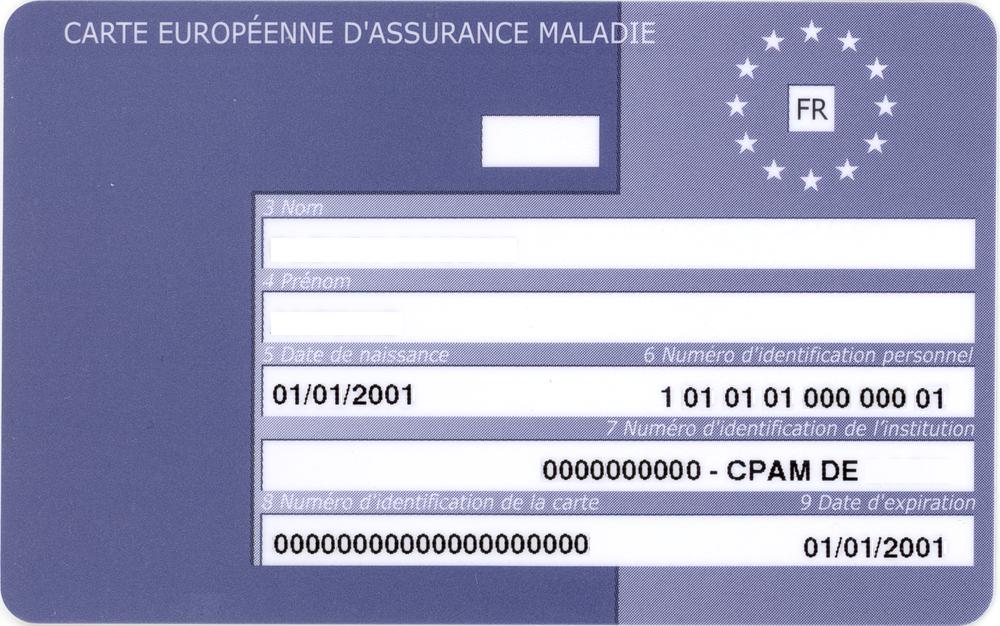
However, be aware that if you’re going to Spain you could be conned by hospitals, hotels and even taxi-drivers into paying for medical treatment. The Spanish hospital system is complex, with three tiers of care: one entirely state run, one entirely private and a ‘hybrid’ system that offers both private and state healthcare. The EHIC card should be accepted by any hospital that accepts Spanish citizens under the Spanish health system.
We have even heard that taxi drivers, travel couriers and hotel staff are often paid back-handers by hospitals or clinics so unwitting travellers are sent to facilities that don’t accept the EHIC. In fact, the NHS’s own website warns travellers to be wary of arrangements made by travel couriers or hotels.
You can get an EHIC completely free on the EHIC website or at any Post Office.
N.B. make sure you don’t get conned into paying for this card. There are some dodgy websites around pretending to be pukka and demanding a fee for the card. You don’t have to pay! Here’s the proper page.
 It goes without saying really that the best insurances deals are invariably found online – there are always discounts and special offers running.
Your best bet is to try a travel insurance comparison site like this one to get the good value offers.
Look carefully at any policies you’re already paying for, like your home contents insurance and car insurance. You may find that these policies already cover you for certain things like driving abroad and loss of belongings outside of the home.
 This way you can work out what you do and don’t need to have covered by your travel insurance and it may mean that you can pay lower premiums.
All UK car insurance policies must automatically provide, by law, the minimum cover required in that European Union country. However this is only third party cover which means it doesn’t cover your losses, so it’s probably worthwhile extending your current cover to protect yourself fully.
Check to see exactly what your car and breakdown insurance policies cover. Some policies include cover in Europe as standard but do check the small print so that you know exactly what you’re covered for.
We’ve been asked this a few times – how do I know I’ve got a good travel insurance deal?
Well here’s what you should have in your travel insurance policy:
Firstly, without a doubt, medical expenses cover is the number one feature you should look for in travel insurance. This  feature provides cover towards the cost of emergency medical and surgical treatment when you’re overseas. Typically, a good policy will cover you for up to £1 million for medical costs in Europe and up to £2 million for the USA.
It’s important to think about what kind of treatment you need to avoid forking out loads whilst abroad. For example, any treatment which can wait until you return home according to medical opinions would not usually be covered in your travel insurance policy.
Another ‘must-have’ feature is the repatriation service, the part of the policy which covers the cost of getting you back home.
 Cancellation cover is another essential which safeguards your finances should you have to cancel your trip. This typically covers you for any travel and accommodation costs you’ve paid for and can’t use or claim back.
Another way to protect your money would be to book your holiday on a credit card. If the holiday cost more than £100 and the tour operator goes into administration, you won’t lost your money. However, this means that each element must cost more than £100. For example, if the flights and accommodation were booked separately and you paid less than £100 in each transaction then you would not be refunded. Under Section 75 of the law, your credit card company must protect anything you buy over £100 for free so if there’s a problem or the company goes bust, you can still get your money back.
 This is different to repatriation cover and will cover the cost of additional accommodation and travel expenses if you missed your flight, boat or train due to situations which are beyond your control such as an ash cloud or hurricane. Some providers offer specialist cover for such natural disasters, but it would be worth checking to see exactly what this involves.
Ideally you’d want £500 or more cover, and remember you won’t be covered if you haven’t allowed sufficient time to get to the airport, station or port. You’ll also need to be able to provide evidence from a breakdown company.
There are loads of sneaky ways that insurers will try to get out of compensating you so you’ll need to make sure that you’re getting the right level of cover. For example, if you have to make a connecting flight and you miss your second
one due to the first being delayed, you might still have to pay any re-arranged travel arrangements, which is why you might want to think about delay as a must-have travel insurance feature.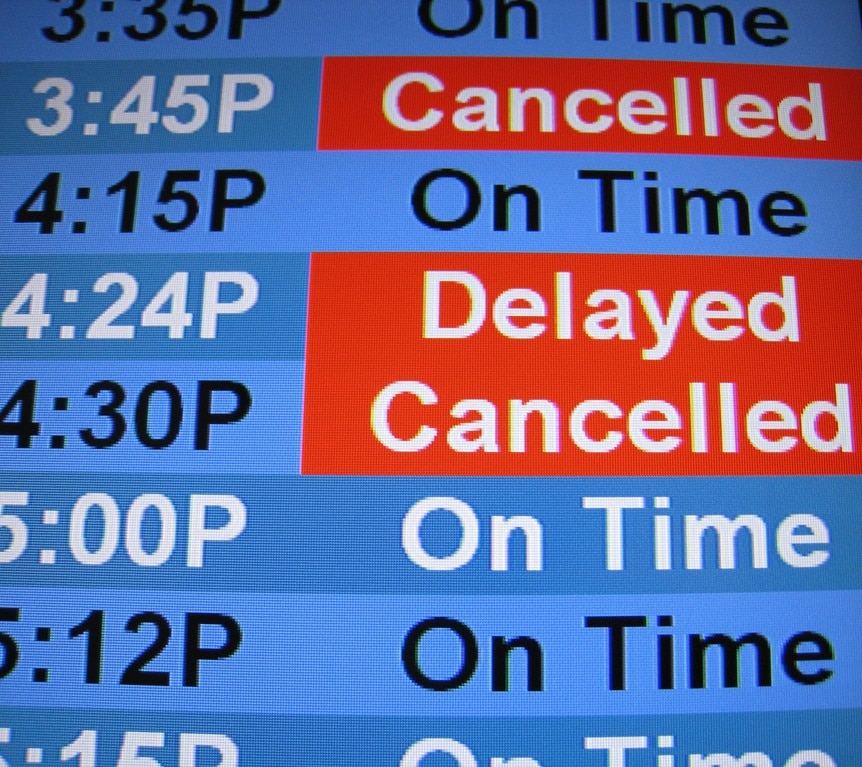
Delay features typically cover you if your travel plans have been disrupted due to industrial action, bad weather conditions or mechanical breakdowns by the airline. You should expect the policy to offer £200 or more for cover. There will be separate limits for the first 12 hours of delay and every 12 hours thereafter.
The problem that many face with this is that if delays are known about before you start your journey, such as strikes, you won’t be covered. You might need to investigate how long the delay would have to be known for in order to not be covered, for example say a hurricane was predicted a few days before your flight.
Beware of ‘codesharing’ flights which give the passenger the same rights as the airline regardless of who issued the ticket. For example, a passenger with a BA ticket travelling on an American Airlines flight to Europe might not be entitled to the same rights as a BA ticket holder on a BA flight.
 This is a similar to cancellation in the sense that if you have to abandon your trip or cancel your journey, this cover will reimburse your travel and accommodation expenses.
Ideally you need £2,000 or more and policies will only cover travel abandonment in extreme circumstances. You may wish to clarify what ‘extreme circumstances’ are with your provider as they can vary.
 This does exactly what it says and covers your baggage if it’s lost, stolen, damaged or destroyed. A good travel insurance policy will cover £1,500 or more and there are usually separate limits for your single articles, valuables and baggage delay. You will need to report all losses within a certain time frame and get a written report from your airline if they lose your baggage. It could be worth applying this feature to family travel insurance.
 This covers you if you have to pay for damages to other people or property because it was your fault.
So if you accidentally cause a person bodily injury or damage someone’s property, you’ll be covered.
A sufficient level of cover would be £2 million or more. Claims made by members of your family or people who are employed by you won’t be covered.
These are just the must-have features on a good travel insurance policy. If you’re extra cautious, you might want to think about some of the ‘should-have’ features like emergency dental cover, money replacement and loss of passport.
Whilst there are a million and one things in the world you could get insurance for, one of the important things you’ll really want to concentrate on is the different amount of excess you could end committing to. Your insurance company might apply different levels of excess depending on the type of claim, which could end up costing you more than it’s worth if you aren’t careful. Some companies charge excess per person or even per person per section of the policy they claimed under.

Your money-making expert. Financial journalist, TV and radio personality.






Useful article on travel insurance.