


Jasmine Birtles
Your money-making expert. Financial journalist, TV and radio personality.



 Ruby Layram
12th Mar 2026
Ruby Layram
12th Mar 2026
| Don’t invest unless you’re prepared to lose all the money you invest. This is a high-risk investment and you should not expect to be protected if something goes wrong. Take 2 mins to learn more |
Advertisement
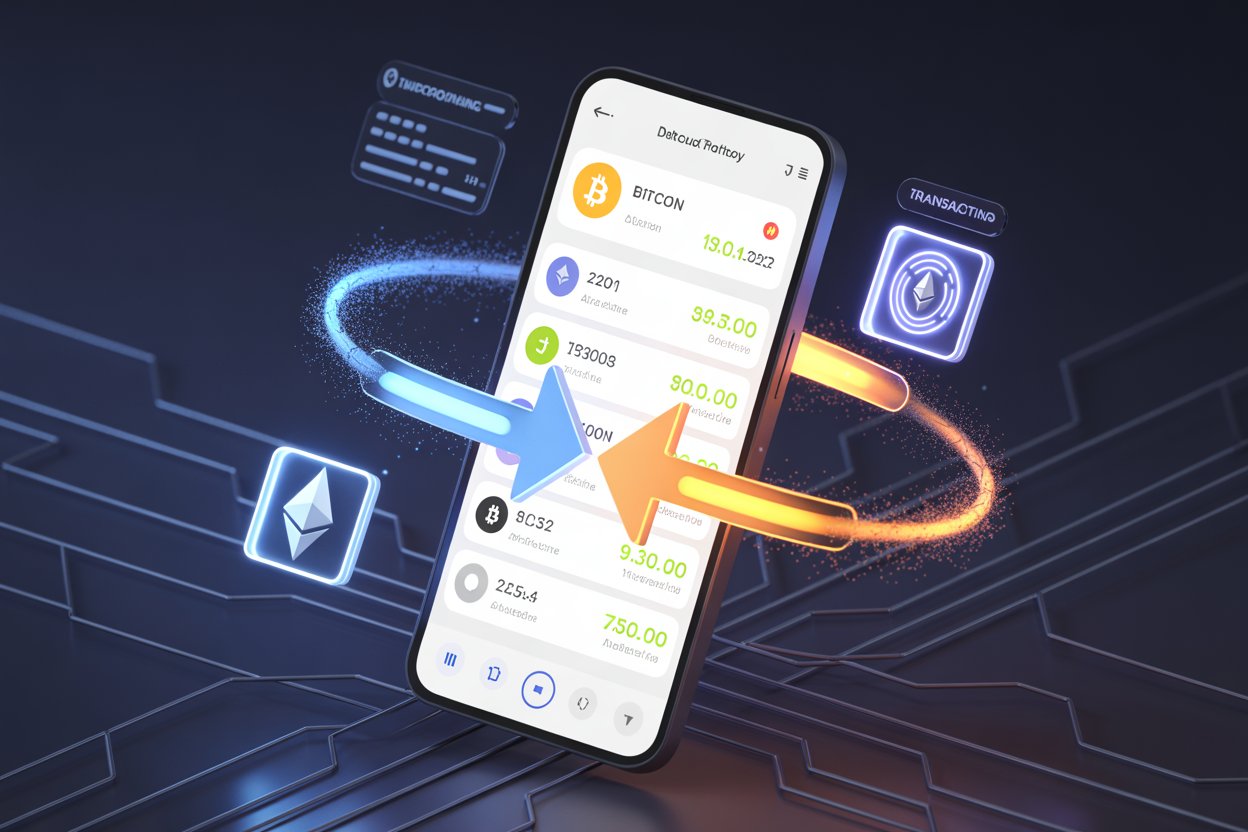
Cryptocurrency can sound complicated, but the process of sending and receiving it is actually very similar to using online banking, once you understand the basics.
Whether you’re paying a friend, moving assets between your own wallets, or transferring assets to an exchange like Coinbase, the process is all about using the right address and double-checking the details.
In this guide, we’ll explain how to send and receive cryptocurrency in 2026, using the Coinbase cryptocurrency exchange as an example.
When you send cryptocurrency, you’re transferring it from one digital wallet to another using the blockchain (a public digital ledger that records every transaction).
Instead of a bank account number, each wallet has a wallet address, which is a long string of letters and numbers that tells the system where to send the assets.
Think of it like:
Cryptocurrency = digital assets
Once sent, transactions usually can’t be reversed, so accuracy is key.
Cryptocurrency isn’t just for long-term investing or trading. It can be used as a form of digital payment, and there are lots of reasons people move cryptocurrency around, rather than holding on to it.
This includes:
Platforms like Coinbase act as a bridge between traditional money and cryptocurrency, making it easier to manage everything in one place.
Receiving cryptocurrency involves someone sending crypto to your wallet address. The process is pretty simple.
On Coinbase, you would:
That’s it. Once they send it, the assets will appear in your account after the transaction is confirmed on the blockchain.
Always make sure the sender is using the correct network (for example, sending Bitcoin to a Bitcoin address). Sending the wrong currency to the wrong address can mean losing your assets permanently.
Sending crypto is just as simple as receiving it. But, you need to be careful that you are sending to the correct address.
Using Coinbase, you would:
Before clicking send, always check:
Many users send a small test amount first, especially when transferring a large sum.
Unlike bank transfers, crypto transactions involve network fees (sometimes called gas fees). These vary depending on:
Some transactions are completed in minutes. Others may take longer during busy periods.
Coinbase shows estimated fees (including Coinbase fees) and times before you confirm, so there are no surprises.
Cryptocurrency transactions are irreversible. So it’s important that you take precautions to avoid mistakes.
Here are some key safety tips:
Coinbase also includes security features¹ like identity verification to help reduce the risk of fraud.
Sending and receiving crypto is only as simple as the platform that you use to facilitate these transactions. And that’s exactly why I recommend Coinbase.
For people new to cryptocurrency, one of the biggest barriers is complexity. Coinbase is a great solution for this by offering a range of user-friendly features including:
This makes it simpler to move between traditional money and crypto without needing advanced technical knowledge (although you should always consider the risks).
Sending and receiving cryptocurrency doesn’t have to be intimidating.
Once you understand wallet addresses, transaction fees, and basic safety rules, it becomes just another financial skill.
Using a trusted platform such as Coinbase can help beginners get started with confidence, while still giving you control over your money and transactions. As always, start small, take your time, and learn as you go.
Disclaimer: MoneyMagpie is not a licensed financial advisor and therefore information found here, including opinions, commentary, suggestions or strategies, are for informational, entertainment or educational purposes only. This should not be considered as financial advice. This is not a recommendation to buy or sell a particular digital asset or to employ a particular investment strategy. Anyone thinking of investing should conduct their own due diligence. When investing your capital is at risk.
¹ Learn more about Coinbase security measures at www.coinbase.com/en-gb/security
Direct to your inbox every week
New data capture form 2023
Your money-making expert. Financial journalist, TV and radio personality.







Leave a Reply