




Jasmine Birtles
Your money-making expert. Financial journalist, TV and radio personality.





 Moneymagpie Team
8th Oct 2026
Moneymagpie Team
8th Oct 2026
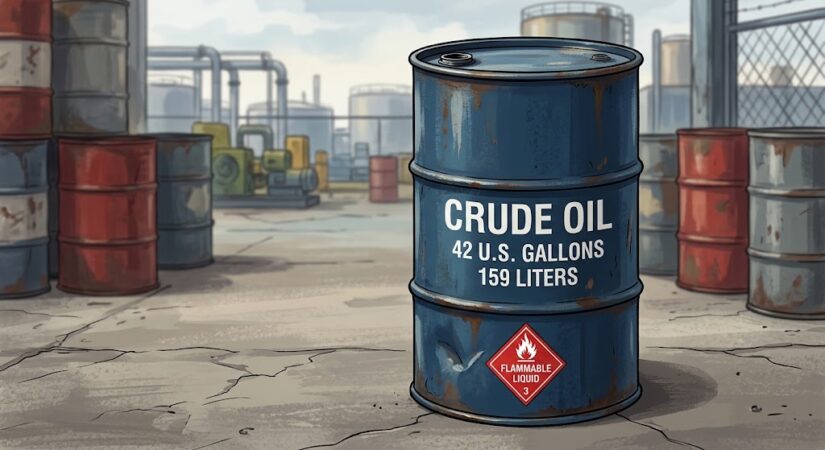
Gilts are suddenly making headlines. On 7 October the UK 30-year gilt yield jumped to around 6.04%, its highest since 1998, while the 10-year yield rose to about 5.48%, close to its highest since 2007 (Reuters, via Investing.com). Oil above $100 a barrel, inflation worries and nerves ahead of the 28 October Budget are all feeding a global bond sell-off.
If you are a beginner, that might sound alarming. It also raises a fair question: are bonds suddenly more interesting? In this guide we explain what gilts and bond ETFs are, why yields and prices move in opposite directions, and seven UK-listed funds worth researching.

A gilt is a loan to the UK government. You lend money, it pays you regular interest (the “coupon”) and hands the original amount back on a set date. A bond is the same idea, but the borrower can be a company or another government. A bond ETF (exchange-traded fund) bundles hundreds of these loans into one fund you can buy and sell like a share.
The yield is the return you get relative to the price you pay. When investors sell gilts, prices fall, so anyone buying afterwards locks in a higher yield. That is why headlines scream about “soaring yields” while existing bond holders see paper losses. Bond funds that hold longer-dated gilts feel this most. The sensitivity to rate moves is called duration, the longer the duration, the bigger the swings.
Ticker codes below are London Stock Exchange listings. We have not listed yields or fees because they change daily.
Check each fund’s official factsheet for the current ongoing charge, yield and whether it pays income (distributing) or reinvests it (accumulating).
Holds short-dated UK government bonds. Why now: short gilts are less sensitive to rising yields, so they tend to wobble less than long ones. Key risk: if yields keep rising, even short bonds can dip, and your return may lag inflation.
A broad mix of gilts across all maturities, from short to very long. Why now: it gives you the whole gilt market in one go, including today’s higher yields. Key risk: the long-dated gilts inside are exactly the ones that have been hit hardest, so expect bumps.
Another all-maturity gilt tracker, from a provider beginners will recognise. Why now: a straightforward way to compare against IGLT, and both are common starting points when researching gilts. Key risk: same interest-rate sensitivity as any gilt fund, and it holds only UK government debt, so there is no diversification across countries.
Holds gilts whose payouts are linked to UK inflation. Why now: with oil prices and inflation fears in the headlines, inflation-linked bonds are in focus. Key risk: they are often long-dated, so they can fall sharply when yields rise, and they are not a guaranteed shield against inflation.
Holds sterling bonds issued by companies. Why now: company bonds usually pay a little more than gilts to compensate for extra risk. Key risk: companies can fail to repay (credit risk), and prices can fall in a shaky economy.
A global spread of government and company bonds, with currency moves hedged back to pounds. Why now: global bond markets are selling off together, so spreading across countries does not remove risk, but it avoids relying on one government. Key risk: global yields are climbing too, and hedging has a cost.
Holds very short-dated sterling bonds. Why now: it is the calmest option on this list, because short maturities mean little sensitivity to yield jumps. Key risk: it is not cash and not covered like a savings account, and returns will probably be lower than longer-dated funds if yields stay high.
That depends on your goals, not the headlines. Bonds are often used to smooth out the ride of a share-heavy portfolio, or to match money you will need in a few years. Nobody can reliably time the bottom of a bond sell-off, and the Bank of England’s next decision (5 November, after it held Bank Rate at 3.75% in September) could move things again. If you are building a long-term portfolio, drip-feeding money in small amounts is usually less stressful than one big purchase.
Higher gilt yields mean bonds pay more than they have for years, but falling prices show they are far from risk-free. Pick a fund that matches how long you can leave the money alone, and keep your expectations realistic.
Disclaimer: This article is for informational and educational purposes only and is not regulated financial advice. Investing involves risk, including the loss of money, and the value of investments can go down as well as up. Yields and prices change daily. Do your own research or speak to a regulated financial adviser before investing.

Direct to your inbox every week
New data capture form 2023
Your money-making expert. Financial journalist, TV and radio personality.







Leave a Reply