





Jasmine Birtles
Your money-making expert. Financial journalist, TV and radio personality.




 Ruby Layram
9th Oct 2025
Ruby Layram
9th Oct 2025
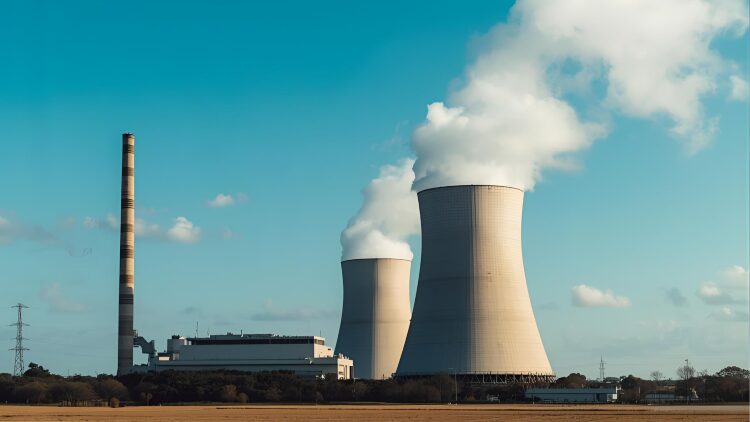
What’s that big new buzz in sustainable energy? It’s nuclear power. Once sidelined, now re-emerging. Between climate pressures, rising electricity demand (especially from AI & data centres), and renewed government support, nuclear is looking like a good opportunity for investors.
But what exactly is Nuclear energy, and how can you invest in it? In this post, I will explain everything you need to know and how to get started.
Also read: 5 Best Sustainable Investment Platforms for UK Investors

At its core, today’s nuclear power is based on fission: splitting heavy atoms (usually uranium) to release heat, which then creates steam and spins turbines to produce electricity.
It’s not solar or wind, it’s baseload, 24/7 power. Unlike renewables, it doesn’t depend on sun or wind. The catch? High capital cost, regulatory complexity, long lead times, and waste disposal.
Recently, SMRs (Small Modular Reactors) and advanced designs are getting attention because they promise smaller scale builds, modular factory manufacture, quicker deployment, and lower upfront cost (though many are still unproven!).
Nuclear power went out of trend for a while but it seems to be making a comeback! Here are a few reasons why.
Because of all that, some investors see nuclear as part “clean energy ” + part “infrastructure / industrial revolution” bet. There’s a lot on offer!
Of course, this isn’t a one-way street. A lot of people reject nuclear on moral, safety or environmental concerns. Here are the common objections:
So yes, there’s promise, but also serious responsibilities and risks to understand before diving in.
It is possible to invest in nuclear energy via stocks or ETFs (a basket of different stocks).
ETFs spread the risk by bundling many companies in the nuclear / uranium sector. Examples include:
VanEck Nuclear ETF (NUCL): offers exposure to uranium mining and nuclear infrastructure.
Other ETFs in this space (uranium / nuclear infrastructure) show up in ETF databases with sector weighting, liquidity, and cost data.
Using an ETF means you don’t have to pick the “right” company; you ride the sector’s overall momentum (with less single-stock risk).
If you want more upside (and more risk), you can pick individual plays across the nuclear chain:
Just know, many of these are early-stage, volatile, and very sensitive to regulation, capital cost, and execution.
Here’s a shortlist (non-recommendation, do your due diligence) of nuclear / uranium names getting attention in 2025:
| Company | Why It’s Interesting |
|---|---|
| Cameco (CCJ) | One of the world’s largest uranium producers. Recently strengthened position by taking stake in Westinghouse. |
| GE Vernova (GEV) | Rare case of a large industrial conglomerate with deep roots in nuclear technology, focusing on energy, including reactors. |
| Constellation Energy (CEG) | Owns large U.S. nuclear fleet (unregulated), expanding into power deals and AI/tech partnerships. |
| Oklo Inc. (OKLO) | Advanced/compact reactor developer. Very early stage, high risk, high reward. |
| NuScale Power (SMR) | Pioneer in small modular reactors; has received regulatory approvals and is working to commercialize. |
Treat nuclear as a long-term theme, it doesn’t usually move fast in straight lines.
Respect your ethical boundaries, if you don’t want exposure to waste, mining, or nuclear risk, maybe this isn’t your core bet.
Nuclear energy is no longer the “dark horse” in clean tech, it’s being pulled in by electricity demand, climate targets, and infrastructure upgrades. That makes it worthy of attention by investors who want a smart, contrarian tilt.
If you play it right, combining ETFs, careful stock picks, and patience, nuclear could provide something rare, growth with a mission.
As always, only invest money that you can afford to love and stay up-to-date with the latest industry development to make sure that you’re making informed decisions.
Fancy learning more about investing? Make sure to sign up to the MoneyMagpie Invest newsletter.

Disclaimer: MoneyMagpie is not a licensed financial advisor and therefore information found here, including opinions, commentary, suggestions or strategies, are for informational, entertainment or educational purposes only. This should not be considered as financial advice. Anyone thinking of investing should conduct their own due diligence. When investing your capital is at risk.

Direct to your inbox every week
New data capture form 2023
Your money-making expert. Financial journalist, TV and radio personality.







Leave a Reply