






Jasmine Birtles
Your money-making expert. Financial journalist, TV and radio personality.




 Ruby Layram
19th Aug 2026
Ruby Layram
19th Aug 2026
Gold has fascinated people for centuries. Whether it’s sparkling jewellery, ancient treasure, or the ultimate symbol of wealth, there’s something about gold that just feels… well, solid. But in today’s world of stocks, crypto, and property, is gold still a good investment?
In this guide, we will take a look at whether Gold still stands as a good investment to consider in 2026.

Gold isn’t just a shiny metal; it has real investment appeal. Here’s why a lot of investors choose Gold for their long-term portfolios in 2026.
Unlike paper money, which governments can print more of, gold has a limited supply. That’s why it’s often seen as a safe store of value, especially during economic downturns.
When inflation rises, the purchasing power of cash declines. Gold, however, tends to hold its value, making it a popular choice when prices are going up. UK inflation ticked up to 2.9% in July 2026, and the Bank of England has held interest rates at 3.75% rather than cutting further, so this is exactly the kind of environment where gold’s inflation-hedging reputation gets tested in real time.
Read: 6 investments that hedge against inflation
Stock markets can crash, banks can fail, and currencies can lose value. Gold has historically been a go-to asset in times of financial crisis, and 2026 has been a reminder why: renewed Middle East tensions and elevated oil prices earlier in the year sent investors piling into gold as a safe haven, even before prices later cooled off.
A well-balanced investment portfolio spreads risk across different assets. Gold can act as a stabiliser when other investments, like stocks, are struggling.
Over the years, gold has had its ups and downs, but overall, it has held its own, and 2026 has been one of its most dramatic years yet. For example:
That’s a strong long-term performance! However, gold doesn’t always rise in value. When the economy is stable, and interest rates are high, gold prices may stagnate or even fall.
Despite popular belief, investing in Gold doesn’t always involve stashing bullion bars under your bed! If you want to invest in gold, you have a few options:
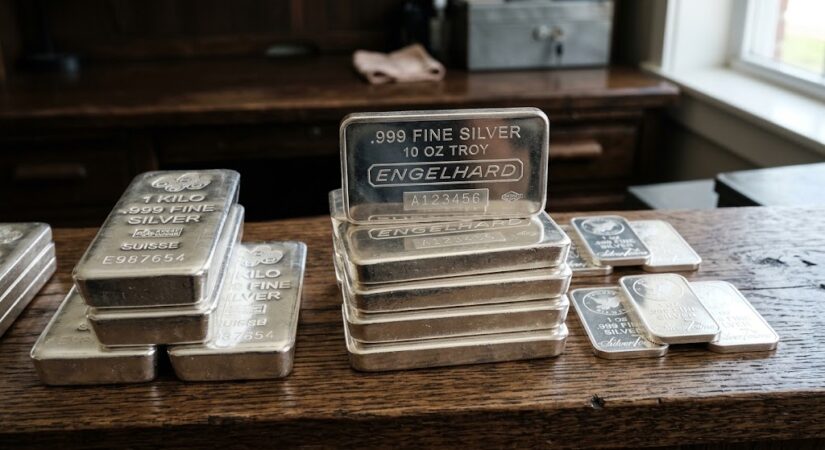
Physical gold is the most well-known form of gold that your mind probably jumped to when you started reading this guide.
There are several types of physical gold investments.
Gold funds allow you to trade gold through a brokerage – similar to how would trade stocks and shares.
When you invest in Gold ETFs or Funds, you don’t own the underlying asset. Instead, you own shares of a fund that invests in different gold companies.
Investing in companies that mine gold can be another way to get exposure to gold without buying it physically.
Be aware that mining stocks can be volatile and influenced by other factors such as environmental conditions and government policy.
Some platforms let you buy fractions of gold stored in secure vaults. This is a modern, hassle-free way to invest in gold that provides the convenience of being able to manage your holdings digitally.
Gold can be a solid investment, but it’s not for everyone. Here’s when it might make sense:
However, gold may not be ideal if:
Gold has stood the test of time, providing a hedge against inflation and financial uncertainty, but 2026’s rollercoaster ride from record highs to a sharp correction is a good reminder that it’s not a one-way bet. It’s a useful asset to have in a well-rounded portfolio, but it’s not a get-rich-quick scheme. If you decide to invest, consider how it fits with your financial goals and risk appetite. #
Want to start investing? Research your options and decide what works best for you. Gold might not make you rich overnight, but it can help protect your wealth in the long run
Are you interested in learning more about investing? Why not sign up to the MoneyMagpie bi-weekly Investing Newsletter? It’s free and you can unsubscribe at any time if you find it isn’t for you.
Disclaimer: MoneyMagpie is not a licensed financial advisor and therefore information found here including opinions, commentary, suggestions or strategies are for informational, entertainment or educational purposes only. This should not be considered as financial advice. Anyone thinking of investing should conduct their own due diligence. When investing your capital is at risk.

Direct to your inbox every week
New data capture form 2023
Your money-making expert. Financial journalist, TV and radio personality.







Leave a Reply