





Jasmine Birtles
Your money-making expert. Financial journalist, TV and radio personality.



 Ruby Layram
28th May 2026
Ruby Layram
28th May 2026
For years, commodities were seen as a slightly “old-school” area of investing. While everyone else chased tech stocks, AI companies, crypto, growth shares, and commodities often sat quietly in the background.
But in 2026? That’s changing very quickly.
Suddenly, investors everywhere are paying attention to:
And it’s not just hedge funds or institutional investors anymore.
Even beginner investors are starting to ask, “Should I have commodities in my portfolio?”
Some of the biggest global trends right now are heavily dependent on real-world materials. Which means that commodities are having their moment in the spotlight!
So in this article, I want to break down:
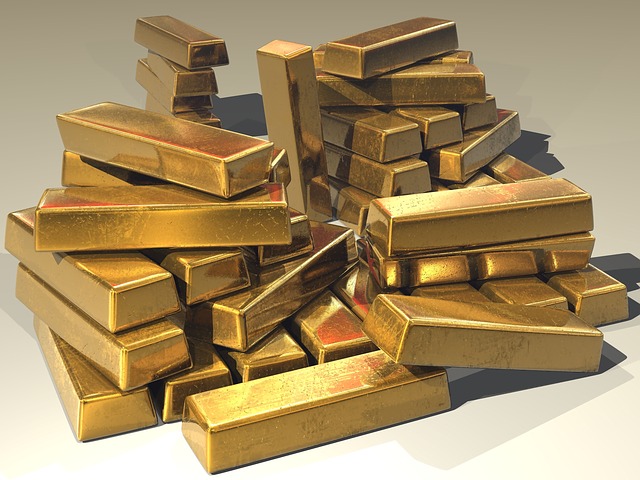
A commodity is simply a raw material or natural resource that can be bought and sold.
Some of the best-known commodities include:
Unlike stocks, commodities are physical assets.
For example:
Their prices usually move based on:
This is one of the biggest investing trends of 2026.
And honestly, I think many people are underestimating how important it could become.
Here are the major reasons investors are moving back into commodities.
This is probably the biggest story right now.
Everyone talks about AI software, but very few people talk about what powers AI physically.
AI requires:
And all of those things require enormous quantities of:
In other words, the AI boom is also creating a commodity demand boom.
That’s one reason investors are becoming increasingly bullish on metals linked to electrification and infrastructure.
The world is becoming more electric.
Electric vehicles.
Power grids.
Battery storage.
Renewable energy systems.
All of these trends require huge amounts of raw materials.
Copper, in particular, has become one of the most discussed commodities because it is essential for:
Some analysts even call copper, “The metal of electrification.”
Here’s the other side of the equation.
Demand is rising, but supply is not always keeping up.
Many commodities face:
For example:
This imbalance between rising demand and limited supply is one reason commodity prices have become increasingly volatile.
Commodities are also popular during periods of inflation uncertainty.
Why?
Because physical assets often hold their value better than cash when prices rise.
That’s one reason investors frequently turn to:
during uncertain economic periods.
In 2026, concerns around:
are helping drive interest in hard assets again.
Gold and silver are seeing renewed interest for slightly different reasons.
Gold is often viewed as a safe haven asset. Investors buy gold during periods of:
Central banks have also been buying large amounts of gold in recent years, which has increased investor confidence in the metal.
Silver is particularly interesting because it sits between:
Silver is heavily used in:
So many investors see silver as both a growth metal and a defensive asset.
That dual role is making it increasingly attractive in 2026.
This is one of the more surprising commodity trends.
For years, uranium was largely ignored.
But now investors are revisiting nuclear energy because governments want:
And AI data centres are dramatically increasing electricity demand worldwide.
That has renewed interest in uranium and nuclear-related investments.
Oil remains one of the world’s most important commodities.
Even with the shift toward renewables, global economies still rely heavily on oil for:
And geopolitical tensions can quickly impact oil supply and prices.
While oil can be volatile, many investors still include energy exposure as part of a diversified portfolio.
This is where many people get intimidated.
Most beginners are not going to:
Thankfully, there are much simpler ways to gain exposure.
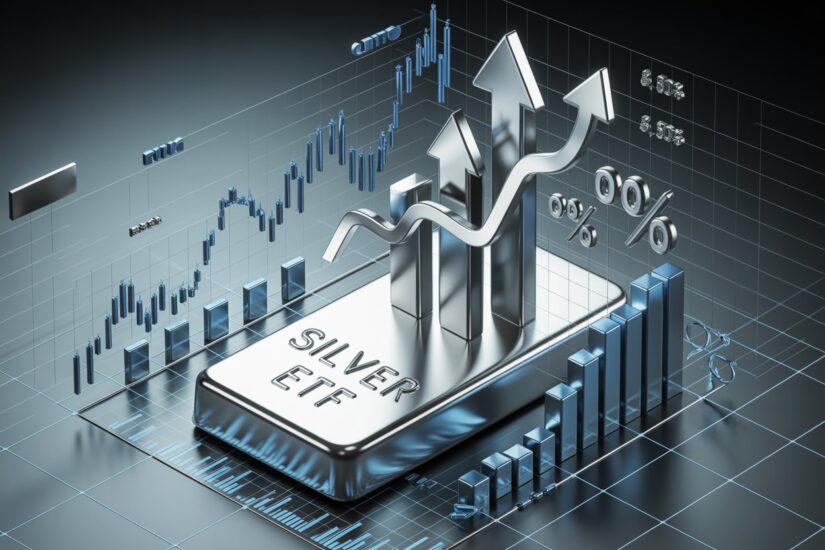
For most beginner investors, ETFs are usually the easiest option.
An ETF (Exchange Traded Fund) allows you to invest in:
For example:
This gives investors exposure without needing to manage physical assets themselves.
Some investors also buy shares in companies involved in:
Examples include:
These can sometimes offer higher upside, but they also tend to carry more company-specific risk.
Potentially, yes. But usually as part of a diversified portfolio.
Commodities can help provide:
But they can also be volatile.
That’s why many investors use commodities as a supporting part of a portfolio, not the entire portfolio.
For example:
Commodities are no longer just a niche area of investing.
In 2026, they’re becoming one of the most important macro trends in global markets.
Driven by:
Investors are increasingly turning toward:
Commodities are not just “old economy” assets anymore. They’re becoming central to some of the biggest investment themes of the decade.
And thanks to ETFs, it’s now easier than ever for ordinary investors to gain exposure in a simple, diversified way.
This article is for informational purposes only and does not constitute financial advice. Investments can fall as well as rise in value, and you may get back less than you invest. Always do your own research before investing.

Direct to your inbox every week
New data capture form 2023
Your money-making expert. Financial journalist, TV and radio personality.







Leave a Reply