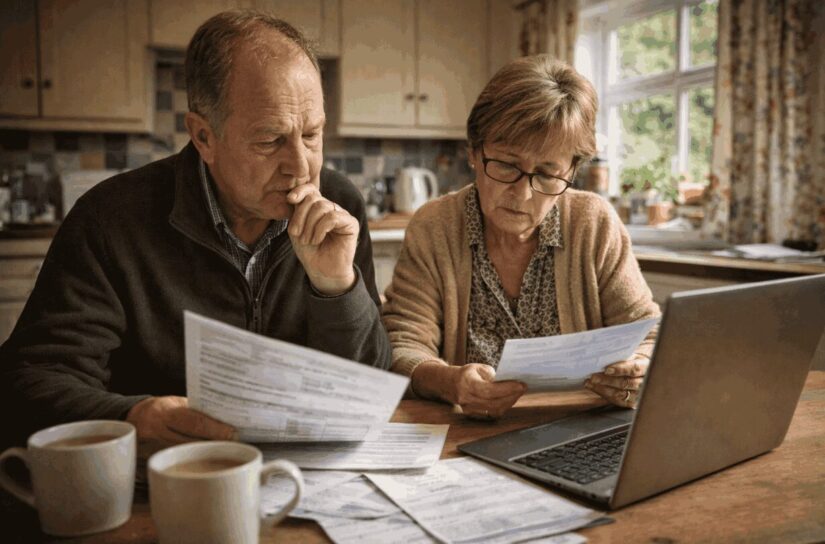

From 6 April 2027, unused pension funds will be included when calculating the value of an estate for inheritance tax. That means some families who thought they were safely below the threshold may suddenly face a tax bill.
From April 2027, unused pension pots will be included in inheritance tax calculations — a major shift from previous rules where pensions often sat outside estates.
MoneyMagpie consumer finance expert Jasmine Birtles explains:
“This is one of those changes that sounds technical, but could have a very real impact on ordinary families. People who have saved carefully into a pension may not realise the leftover pot could soon count towards inheritance tax. The key is to understand your position early.”
What is changing?
Currently, many defined contribution pension pots sit outside your estate for inheritance tax purposes.
But from April 2027, unused pension funds and death benefits will be included when calculating inheritance tax liability. The standard inheritance tax rate is 40% on the value above available allowances.
Spouses and civil partners can usually still inherit tax-free, but children and other beneficiaries could face a tax charge depending on the total estate value.
This does not mean every pension will face a 40% tax bill. It depends on your total estate, who inherits, and what allowances apply — but pensions can no longer be ignored in inheritance planning.
Who could be most affected?
- People with large defined contribution pension pots
- Homeowners already near the inheritance tax threshold
- Those planning to leave pensions untouched as inheritance
- People without a spouse or civil partner as the main beneficiary
- Families passing wealth directly to children or grandchildren
What should you check now?
5 key checks to make now:
1. Check your pension value: Log into all providers — many people have multiple pots.
2. Review beneficiary forms: Your “expression of wish” matters and may need updating.
3. Estimate your estate: Include property, savings and pensions under new rules.
4. Understand thresholds: The £325,000 allowance may be boosted by property allowances.
5. Avoid rushed decisions: Taking money out too quickly can trigger income tax.
Should you start spending your pension?
Some retirees may consider using more of their pension during their lifetime rather than leaving it untouched — but this needs careful thought.
You still need enough income for retirement, and withdrawals can trigger tax charges.
“The worst thing people can do is panic and start emptying pensions,” says Jasmine Birtles. “A good plan balances tax, income and family needs — not just inheritance.”
Are annuities becoming more popular?
Annuities — which convert pension savings into a guaranteed income — are seeing renewed interest as rates improve and tax rules change.
They can provide certainty, but they reduce flexibility and usually cannot be reversed once set up.
Your options at a glance:
• Spend more of your pension during retirement
• Gift money carefully (within rules)
• Consider annuities for guaranteed income
• Review your will and estate planning
• Seek regulated financial advice if unsure
What not to do
- Do not withdraw large sums without checking tax implications
- Do not assume your pension is covered by your will
- Do not assume your children will inherit tax-free
- Do not ignore older workplace pensions
- Do not rely on social media “tax hacks”
The bottom line
This change does not come into force until April 2027, but early preparation is key.
For many families, pensions have quietly become a key part of inheritance planning. That is now shifting — and understanding your position could make a significant difference to what your loved ones receive.
For more help understanding your retirement income, read our guide to how much State Pension you could get, or learn how to track down lost pension pots.
FAQs
Will pensions be subject to inheritance tax?
From April 2027, most unused pension pots will be included when calculating inheritance tax, depending on the total estate value and beneficiaries.
Will my spouse pay inheritance tax on my pension?
In most cases, transfers to a spouse or civil partner remain free from inheritance tax.
What is the inheritance tax rate?
The standard rate is 40% on the value of an estate above available tax-free allowances.
Should I withdraw my pension to avoid tax?
Not necessarily. Withdrawals can trigger income tax and reduce retirement income — seek advice before making decisions.