

Jasmine Birtles
Your money-making expert. Financial journalist, TV and radio personality.




 Moneymagpie Team
1st Jun 2026
Moneymagpie Team
1st Jun 2026
Jewellery can be beautiful, personal, and practical all at once. The right piece gives you something to wear now, while also holding value for the future and doing right by your investment strategy.
The strongest resale pieces usually share the same traits: precious metal weight, quality stones, timeless design, good condition, and proof of origin. Gold is a good example. Buyers can test its karat purity, weigh it, compare it with the current gold price, and judge the workmanship. The World Gold Council reported a record quarterly gold demand value of $193 billion, or about £144.5 billion, in Q1 2026, which shows how much demand still supports the metal.
So, how do you choose jewellery that feels special today and still makes sense later?
Gold jewellery has strong resale appeal because buyers can measure its value through karat purity and gram weight. A hollow 14k bangle and a solid 18k bangle may look similar online, but a jeweller will value them very differently once they’re weighed.
Platinum also has lasting appeal, especially in bridal and fine jewellery. It feels dense, wears well, and holds stones securely, which makes it a popular choice for diamond rings.
Diamonds need paperwork. GIA advises buyers to understand the 4Cs: cut, colour, clarity, and carat weight. Reports, treatments, and diamond origin details all affect resale confidence. Carat weight also matters in a clever way. GIA notes that 1.00, 1.50, and 2.00 carats act as “magic sizes,” so a diamond just under one of those weights can look almost the same while costing less per carat.
Coloured stones need the same careful eye. Sapphires, rubies, and emeralds hold stronger value when they have rich colour, fine cutting, attractive origin, and clear treatment disclosure. A vivid untreated sapphire with a lab report will usually interest buyers more than a dull stone with vague details.
Pearls need their own checklist. GIA values pearls through seven factors: size, shape, colour, lustre, surface quality, nacre quality, and matching.
Natural pearls command high prices because they form in the wild and appear rarely on the market. However, high-quality cultured pearls can also hold strong appeal. South Sea pearls attract buyers with their large size and soft glow. Tahitian pearls draw attention with dark body colour and green, blue, purple, silver, or peacock overtones. Fine Akoya pearls remain popular for their round shape, sharp lustre, and classic white or rose tones.
With pearl strands, harmony matters. Each pearl should match closely in size, shape, colour, lustre, and surface quality. Good matching gives a strand a polished, expensive look.
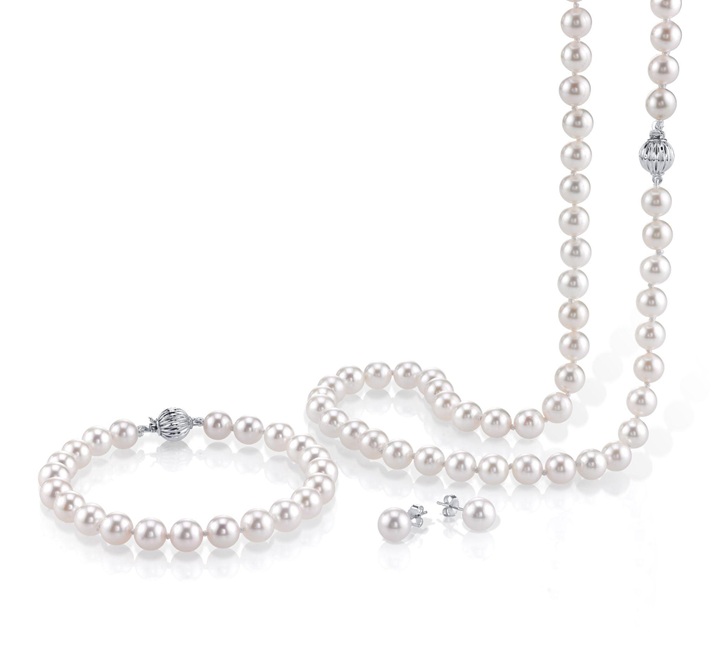
Lustre matters most to the eye. A high-quality pearl reflects light with a crisp glow and real depth. Nacre matters too, since it affects both beauty and durability. “Nacre thickness is everything. It determines both the pearl’s durability and the depth of its glow. A pearl with a thin nacre might look beautiful on day one, but it won’t age well,” says Lauren Greenberg, a GIA-Certified Pearl Expert at The Pearl Source.
Storage also affects value. Pearls can dry out, scratch, or react to chemicals, so keep them away from cotton wool and harsh storage conditions. A soft silk cloth is a better choice.
Signed jewellery carries a maker’s mark from a recognised house or designer. Names such as Cartier, Van Cleef & Arpels, Tiffany & Co., Bulgari, Boucheron, and JAR often attract collectors because the signature helps confirm origin, design history, and market demand.
Still, the signature needs support. Original boxes, receipts, certificates, service records, serial numbers, and auction history all give future buyers more confidence.
For example, a Cartier LOVE bracelet with papers, a Van Cleef & Arpels Alhambra pendant with its box, or a Tiffany Schlumberger bangle with service records will usually feel more secure to a buyer than a loose piece with no proof.
Long-demand jewellery works well because future buyers already know how to wear it. Strong categories include solid gold chains, diamond studs, tennis bracelets, solitaire rings, pearl studs, pearl strands, gold hoops, signet rings, eternity bands, cigar bands, gold bangles, and vintage cocktail rings. These are classic and timeless jewellery trends.
Gold chains work especially well because buyers can value both the design and the metal. Curb chains, rope chains, Figaro chains, box chains, wheat chains, and paperclip chains all have broad appeal when the construction feels solid.
Diamond studs also suit many wardrobes, which keeps the buyer pool wide. Tennis bracelets have steady demand because buyers understand the format and can judge the stones one by one.
Pearl studs, single-pearl pendants, opera-length strands, graduated strands, and pearl-and-diamond earrings also hold lasting appeal because pearls keep their value with everyday wearability and long life.
Vintage pieces can add scarcity too. Art Deco rings, Victorian lockets, Edwardian platinum designs, Retro gold cocktail rings, and Mid-Century brooches offer details that modern mass production rarely repeats.
Documentation helps future buyers trust what they’re buying. A GIA diamond report gives clear information on cut, colour, clarity, carat weight, treatments, and identifying details.
A pearl report can also help, especially for high-value pearls, unusual origins, or possible natural pearls. A professional appraisal records replacement value, gemstone details, metal purity, measurements, and condition.
Keep receipts, certificates, branded packaging, repair records, and auction records whenever you can. These details make resale easier and help protect the value of investment jewellery.
Condition affects the final offer. Pearl buyers check the following pearl buying properties: lustre, blemishes, nacre quality, drill holes, matching, and strand condition. Older pearl necklaces may need restringing because silk weakens over time.
Diamond buyers look for chips, girdle wear, polish, symmetry, fluorescence, prongs, and grading paperwork. Gold buyers check dents, repairs, solder marks, hollow construction, clasp strength, and signs of heavy polishing.
Before resale, a jeweller’s inspection can catch loose stones, worn prongs, stretched links, weak hinges, and tired clasps. Small repairs can protect a larger sale.
Pre-owned jewellery can offer a better starting price because the first retail markup has already passed through the market. Estate jewellery also gives buyers access to older craftsmanship, hand engraving, antique cuts, discontinued designs, and heavier construction.
For a safer purchase, look for clear photos, metal marks, gemstone details, measurements, condition notes, return terms, and authenticity support. Also, compare sold prices instead of listed prices. Asking prices show what sellers want. Sold prices show what buyers actually paid.
| Jewellery Category | Why It Holds Value | What to Check Before Buying | Documentation to Keep | Best Buyer Move |
| Gold jewellery | Gold has intrinsic market value because buyers can test karat purity, weigh the piece, and compare gram weight with the current gold price. | Check the karat stamp, gram weight, clasp strength, hollow construction, dents, solder marks, and signs of heavy polishing. | Keep receipts, appraisals, metal purity details, repair records, and original packaging when available. | Choose solid 14k, 18k, or higher-karat pieces with strong construction, such as curb chains, rope chains, bangles, hoops, and signet rings. |
| Platinum jewellery | Platinum has density, durability, and prestige, especially in bridal jewellery and high-jewellery settings. | Check the platinum mark, stone security, prong condition, surface wear, ring weight, and signs of past resizing. | Keep appraisals, receipts, gemstone reports, service records, and any designer documentation. | Look for platinum diamond rings, vintage platinum settings, and well-made bridal pieces with secure stone settings. |
| Diamond jewellery | Diamonds resell better when buyers can verify cut, colour, clarity, carat weight, treatments, and authenticity. | Check the 4Cs, chips, girdle wear, polish, symmetry, fluorescence, prongs, and stone matching. | Keep a GIA diamond report, purchase receipt, appraisal, repair records, and branded packaging. | Buy classic formats with broad demand, such as diamond studs, tennis bracelets, solitaire rings, eternity bands, and tennis necklaces. |
| Coloured gemstones | Sapphires, rubies, and emeralds gain value when they have rich colour, fine cutting, attractive origin, and clear treatment disclosure. | Check colour saturation, transparency, cut quality, origin claims, treatment history, chips, scratches, and setting condition. | Keep lab reports, receipts, appraisals, origin documentation, and treatment disclosures. | Prioritize vivid stones with reputable lab reports, especially untreated or lightly treated sapphires, rubies, and emeralds. |
| Pearls | Pearls hold value through size, shape, colour, lustre, surface quality, nacre quality, and matching. | Check lustre, blemishes, nacre thickness, drill holes, matching, strand condition, and clasp quality. | Keep pearl reports, receipts, appraisals, restringing records, and storage instructions. | Choose natural pearls, South Sea pearls, Tahitian pearls, fine Akoya pearls, matched strands, pearl studs, and pearl-and-diamond earrings. |
| Signed designer jewellery | Signed jewellery can bring stronger resale value because the maker’s mark supports authenticity, provenance, and collector demand. | Check the signature, hallmark, serial number, craftsmanship, wear, repairs, and consistency with the designer’s known style. | Keep original boxes, receipts, certificates, service records, serial details, and auction history. | Focus on recognizable houses such as Cartier, Van Cleef & Arpels, Tiffany & Co., Bulgari, Boucheron, and JAR. |
| Vintage and estate jewellery | Older pieces can offer scarcity, hand craftsmanship, discontinued designs, antique cuts, and heavier construction. | Check condition, metal marks, stone security, previous repairs, clasp strength, engraving quality, and overall wear. | Keep appraisals, estate paperwork, auction records, receipts, condition reports, and restoration records. | Look for Art Deco rings, Victorian lockets, Edwardian platinum lacework, Retro cocktail rings, and Mid-Century sculptural brooches. |
| Long-demand everyday designs | Familiar styles resell well because future buyers already know how to wear and value them. | Check construction, comfort, metal weight, clasp quality, stone matching, and wear from daily use. | Keep receipts, appraisals, photos, branded packaging, and repair records. | Choose gold chains, diamond studs, tennis bracelets, pearl strands, gold hoops, signet rings, cigar bands, and gold bangles. |
| Pre-owned jewellery | Pre-owned jewellery can offer a better entry price because the first retail markup has already passed through the market. | Check clear photos, metal marks, measurements, gemstone details, condition notes, return terms, and seller reputation. | Keep the sales receipt, authenticity paperwork, appraisal, seller correspondence, and condition report. | Compare sold prices rather than listed prices before purchase, since sold prices show real market demand. |
| High-value resale pieces | Expensive pieces sell more easily when buyers can verify quality, condition, provenance, and market demand. | Check every value driver: material, maker, stone quality, condition, wearability, and resale audience. | Keep all paperwork, including reports, receipts, appraisals, boxes, service records, repair notes, and auction results. | Buy pieces that pass two tests: they should feel wearable today and make sense to a serious buyer later. |
Ask direct questions before you buy.
A strong jewellery purchase should pass two tests. First, it should feel good on your body today, and second, it should make sense to a serious buyer later.
A luminous pearl strand, a solid gold bracelet, or a signed vintage ring can hold style, market value, and family meaning across decades.
Disclaimer: MoneyMagpie is not a licensed financial advisor and therefore information found here including opinions, commentary, suggestions or strategies are for informational, entertainment or educational purposes only. This should not be considered as financial advice. Anyone thinking of investing should conduct their own due diligence.
Your money-making expert. Financial journalist, TV and radio personality.