

Jasmine Birtles
Your money-making expert. Financial journalist, TV and radio personality.



 Moneymagpie Team
12th Jun 2026
Moneymagpie Team
12th Jun 2026
“Your order is delayed.”
Tiny sentence. Massive headache.
A small sneaker brand in Chicago learned that during a holiday rush, when inventory spilled into office hallways, staff stayed past midnight taping boxes shut.
Customers kept refreshing tracking pages. Nobody was sleeping much. That sort of chaos explains why third-party logistics — or 3PL — has become a lifeline for so many businesses.
More companies are outsourcing warehousing, shipping, and fulfillment instead of wrestling with every supply chain problem themselves. And with the global 3PL market valued at more than $9 trillion, according to Statista, this isn’t some niche trend anymore.
So, let’s unpack what 3PL actually means and who tends to benefit from it most.
Third-party logistics means hiring another company to handle parts of your supply chain. Transportation. Warehousing. Inventory tracking. Returns.
Sometimes all of it.
At first glance, logistics sounds simple. Move products from one place to another. Done. Then real life barges in — delayed trucks, crowded ports, broken scanners, missing paperwork.
That’s where 3PL providers step in.
This part surprises people sometimes. A 3PL provider often does far more than shipping boxes from Point A to Point B.
Many handle:
Some companies also coordinate trucking, rail, and ocean freight together, which can save businesses from dealing with five different vendors every week.
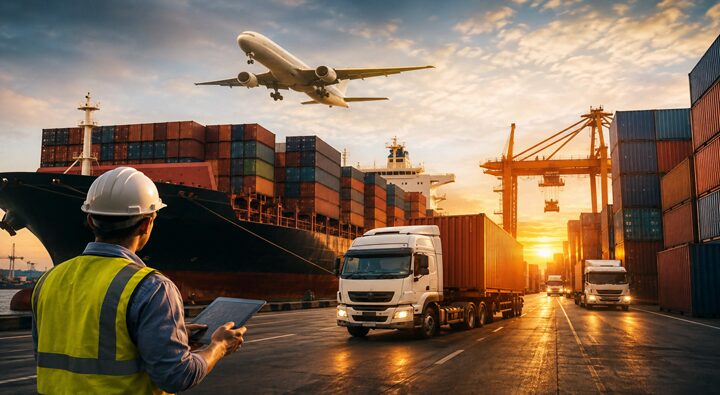
A full-service freight transportation and logistics company, for instance, may coordinate drayage, intermodal freight, and regional transportation together instead of forcing businesses to juggle multiple vendors. That kind of coordination matters more than people realize.
One delayed container near a crowded port can ripple through retail shelves across several states before the weekend even arrives.
Many businesses try managing logistics internally at first. Then growth hits harder than expected. Boxes start stacking beside office desks. Employees stay late printing shipping labels while cold coffee sits untouched nearby. Things unravel quietly before anyone fully notices.
So, what exactly pushes companies toward outsourcing?
A couple of reasons show up again and again.
Shipping costs sting. Fuel prices don’t exactly sit still either.
Third-party logistics providers often negotiate lower freight rates since they move large shipment volumes daily. A small online retailer shipping thirty packages a day simply won’t get the same transportation rates as a logistics company moving thousands of pallets nationwide.
There’s also the time factor.
Business owners stop spending entire afternoons chasing delayed trucks or fixing inventory spreadsheets. They focus on products, customers, growth — the work they actually enjoy doing.
Demand swings wildly now. One TikTok video can wipe out inventory overnight.
Not ideal.
A good logistics provider helps businesses scale quickly during busy seasons without forcing them into massive warehouse leases or emergency hiring sprees.
McKinsey reported that pandemic-era supply chain disruptions exposed major weaknesses in traditional logistics systems. Companies with flexible logistics partnerships often adapted faster when shortages and shipping delays spiraled globally.
Kind of strange how invisible supply chains feel until they stop working.
Not every business needs a logistics provider immediately.
A local bakery delivering around one neighborhood may do perfectly fine alone.
Still, some companies hit a point where handling shipping internally becomes exhausting, expensive, or both. Here are two groups that usually benefit the most from 3PL support.
Growth sounds exciting until inventory takes over your office.
3PL providers help growing businesses expand without utilizing their office space or building giant logistics departments from scratch. That’s especially useful in e-commerce.
Shopify continues reporting strong online retail growth globally, while customer expectations for fast shipping keep climbing higher every year.
Regional shipping gets complicated quickly. International freight gets exhausting. Customs forms, regulations, insurance paperwork — it swallows hours before lunch even arrives.
Many businesses use third-party logistics providers simply to reduce mistakes and avoid delays. Customers rarely care why an order arrived late. They just remember the frustration.
Logistics shapes customer trust quietly, almost invisibly.
People remember when orders arrive broken. Or late. Or not at all. They remember refreshing tracking pages while dinner gets cold beside them.
That’s probably why third-party logistics keeps growing. Businesses aren’t just outsourcing transportation anymore. They’re outsourcing stress. The midnight warehouse panic. The frantic phone calls. The constant feeling that one missing shipment could derail the week.
Funny thing is, when logistics works perfectly, nobody notices it. The box simply appears at the door. Clean. On time. Almost ordinary.
Disclaimer: MoneyMagpie is not a licensed financial advisor and therefore information found here including opinions, commentary, suggestions or strategies are for informational, entertainment or educational purposes only. This should not be considered as financial advice. Anyone thinking of investing should conduct their own due diligence.
Your money-making expert. Financial journalist, TV and radio personality.