





Jasmine Birtles
Your money-making expert. Financial journalist, TV and radio personality.



 Vicky Parry
25th Nov 2025
Vicky Parry
25th Nov 2025
The Growing Crackdown — and How to Protect Yourself.
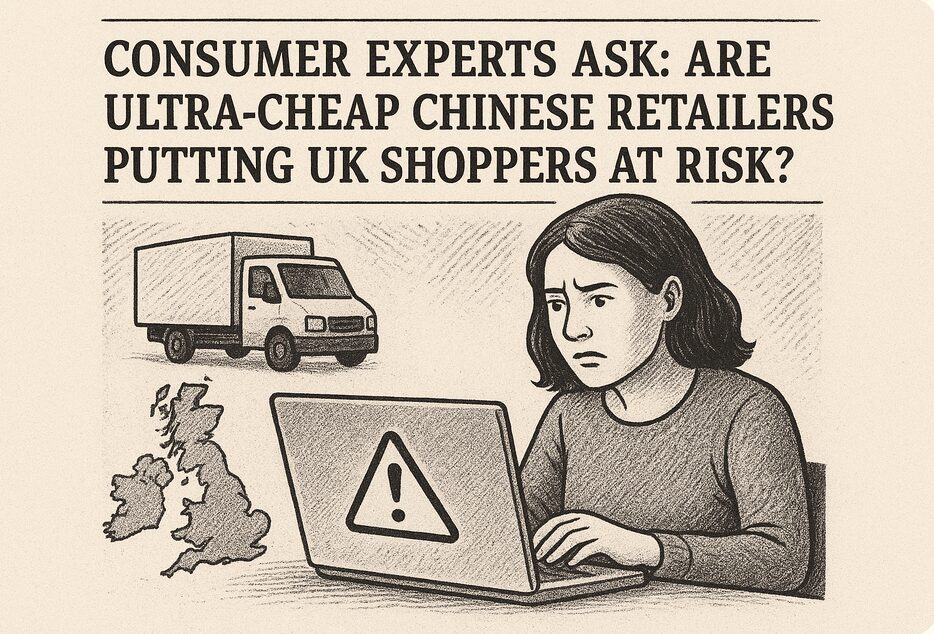
Online bargain shopping has become a lifeline for many during the cost-of-living crisis and Chinese retailers such as Shein, Temu, AliExpress and others have grown massively as a result. The promise is simple: fashion and household goods at ultra-low prices, shipped directly to your door.
Yet regulators across the UK and Europe are increasingly sounding the alarm. A wave of new rules, investigations and safety checks is being rolled out, and consumers are reporting rising problems with quality, delivery, dangerous goods and misleading listings.
If you shop with these platforms – or are thinking about it – here’s exactly what you need to know.
The EU has announced a plan to introduce a €2 handling fee on low-value parcels (under €150). This is designed to tackle the huge volume of cheap imports entering Europe with minimal checks. It’s also being accompanied by a proposal to abolish the €150 duty-free threshold altogether.
Although this is EU-focused, UK policymakers are watching closely. Changes to EU rules often influence similar reforms here — particularly where consumer safety is involved.
EU Commissioners have expressed concern about unsafe or non-compliant items reaching consumers — particularly toys, electronics and cosmetics shipped directly from third-party sellers in China.
There’s now a strong push for:
The UK’s own Chartered Trading Standards Institute (CTSI) has issued several reminders to consumers about the risks of:
They highlight that goods shipped directly from overseas sellers can bypass the rigorous checks UK-based retailers must comply with.
UK officials and retail industry groups have repeatedly raised concerns that ultra-cheap imports avoid many of the taxes and regulatory burdens faced by domestic businesses — distorting competition and limiting accountability.
As scrutiny increases, these platforms may face more obligations around seller verification, product safety and tax compliance.
While Shein and Temu dominate the headlines, several other Chinese-origin platforms operate widely in the UK:
Many of the same risks apply across these platforms: fragmented third-party sellers, overseas returns, and variable safety standards.
Across Reddit, Trustpilot and consumer forums, shoppers have reported a range of issues. While these are personal accounts rather than verified evidence, the volume of similar stories is notable:
Some customers report parcels marked delivered when they weren’t — and difficulty obtaining refunds due to disputes between platforms and couriers.
Others describe being asked to pay import VAT or unexpected customs fees, despite believing the costs were covered at checkout.
A common theme is items that look far better in photos than in reality — particularly clothing, shoes and accessories.
Some small designers have even reported seeing their own photography used to advertise cheaper lookalikes — a separate issue currently at the centre of ongoing lawsuits abroad.
Customers have flagged:
While some items may be perfectly compliant, there is growing evidence from regulators that a significant proportion of low-value imports from non-UK sellers fail basic safety tests.
One of the biggest frustration points concerns product photos.
Cheap platforms frequently host listings that use:
This mismatch doesn’t just disappoint buyers — it can deceive them into believing they’re buying a higher-quality product.
There are active trademark and copyright disputes overseas involving allegations of image misuse and design copying. While these cases do not prove wrongdoing by every platform or seller, they highlight a structural problem: platforms listing millions of items often rely on third-party sellers, making oversight extremely difficult.
Cheap toys and electronics may not meet UK standards. Without correct safety documentation or markings, consumers have little protection if an item causes harm.
Returning goods abroad can be costly and impractical — and some platforms’ dispute processes are notoriously slow.
With regulatory reform on the horizon, you may see:
Ultra-cheap imports, often sold at margins UK retailers cannot match, make it harder for domestic shops to compete — a concern increasingly raised by consumer groups and politicians.
Here’s how UK shoppers can protect themselves:
Take photos of what you ordered versus what arrived. Screenshot the listing in case it changes or is removed.
Credit cards and PayPal often provide chargeback or purchase protection.
Always go through the seller/platform first so there’s a record of communication.
If the retailer breaches consumer law (misdescription, unsafe goods, unfair practices), report it through Citizens Advice. They pass information to Trading Standards.
If a product appears unsafe, stop using it and alert:
Detailed reviews help warn other consumers and draw attention to repeated issues.
If you choose to buy from platforms like Shein or Temu, be cautious:
Cheap online platforms can offer value — but they can also carry risks that UK shoppers may not be aware of. With new regulations coming and more scrutiny from Trading Standards, this landscape is changing fast.
For now, the safest approach is simple: treat ultra-cheap cross-border shopping with caution, protect yourself when buying, and know your rights if something goes wrong.
Your money-making expert. Financial journalist, TV and radio personality.