



If you have recently left a supermarket wondering how you managed to spend £80 on what feels like only a few bags of shopping, you are certainly not alone.
The latest official figures contain some encouraging news. According to the Office for National Statistics, the price of food and non-alcoholic drinks increased by 1.7% in the 12 months to June 2026. That was down from 2.2% in May and represented the lowest annual rate since August 2024.
Separate supermarket data from Worldpanel by Numerator found that like-for-like grocery inflation slowed to 2.6% in the four weeks to 12 July 2026, down from 3% during the previous reporting period.
However, falling inflation does not mean food is becoming cheap again. In most cases, it simply means prices are rising at a slower rate.
The large increases accumulated since 2021 are still built into the cost of chocolate, coffee, meat, fish, olive oil, fruit juice and numerous other essentials. Even a relatively small new increase is being added to prices that are already far higher than shoppers remember.
Official food inflation in June 2026
Worldpanel grocery inflation to 12 July
Difference between Aldi and Waitrose
What is in this guide?
At a glance
- Food and non-alcoholic drink prices were 1.7% higher in June 2026 than one year earlier.
- Prices are generally rising more slowly, but this does not reverse increases accumulated since 2021.
- Chocolate, coffee, beef, fish and some drinks remain under particular price pressure.
- Olive oil has fallen from its recent peak in some stores but remains much more expensive than it was before the supply crisis.
- Aldi was the cheapest supermarket in Which?’s latest complete monthly comparison.
- Lidl was only £1.45 more expensive when Lidl Plus prices were included.
Why does the weekly shop still feel so expensive?
One of the most common misunderstandings about inflation is the belief that a lower inflation rate means prices have fallen.
Inflation measures the speed at which prices are changing. If the inflation rate falls from 10% to 2%, prices may still be rising. They are simply rising more slowly.
Imagine a household’s weekly shop originally cost £70. If the price increased significantly during the height of the food-price crisis and now costs £90, annual inflation of 1.7% would not bring the bill back down to £70. It would mean a smaller increase was being added to the new £90 starting point.
Inflation falling is not the same as prices falling
Food inflation has cooled considerably, but shoppers are still dealing with the cumulative effect of several years of increases. This is why official statistics can sound reassuring while the figure on your supermarket receipt still feels painful.
There is another reason supermarket bills can feel worse than the national headline suggests: every household buys a different mix of products.
A family that regularly buys beef, chocolate, coffee, fruit juice and fresh fish could experience a much steeper rise than someone whose basket contains more pasta, rice, frozen vegetables and supermarket own-label products.
The inflation rate is an average. Your personal rate depends on what you buy, where you shop, whether you use loyalty prices, the brands you choose and how often you can take advantage of genuine promotions.
The everyday foods that have quietly become luxury items
The foods attracting the most attention are not necessarily those experiencing the largest increase in a single month. They are often the everyday items that rose sharply over several years and have not returned to anything close to their former price.
Chocolate
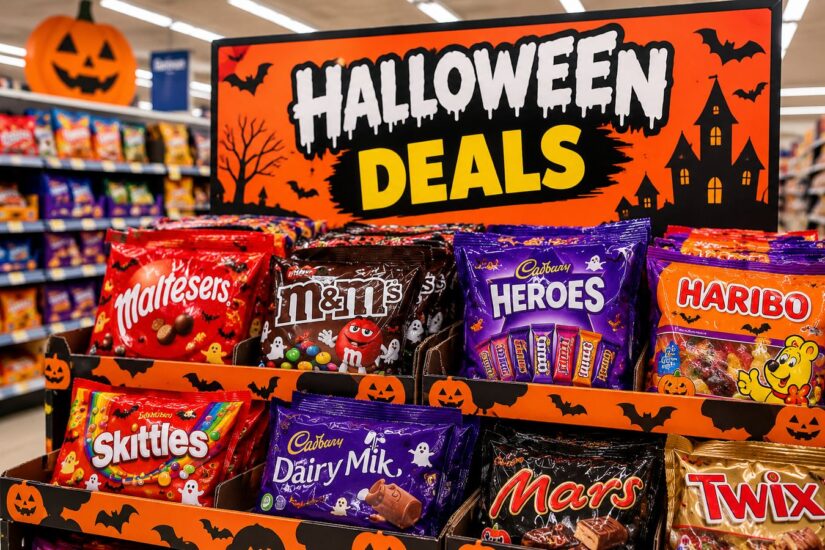
Chocolate has been affected by poor cocoa harvests, crop disease, extreme weather, global demand, sugar prices, energy costs and more expensive packaging.
Some manufacturers have increased shelf prices, while others have reduced the weight of bars or multipacks. This means a product can become more expensive even when the large price printed on the shelf appears unchanged.
Coffee
Coffee drinkers have seen price increases across instant coffee, ground coffee, pods and café drinks. Extreme weather in major coffee-growing regions, changing harvest expectations, shipping costs and global commodity prices have all contributed.
Beef
Beef prices have remained under pressure because of reduced supply, higher feed costs, labour, energy, veterinary expenses and changes in livestock numbers.
Mince was once viewed as an inexpensive foundation for a family dinner. A 500g pack can now take a substantial amount out of a weekly food budget.
Olive oil
Olive oil became one of the most visible symbols of supermarket inflation after drought and extreme heat damaged harvests in Spain and other major producing regions.
Prices have eased from their peak in some stores as supply conditions improved. However, many bottles remain dramatically more expensive than they were in 2021.
Fish
Fresh and frozen fish prices are affected by feed, energy, transport, processing, labour and changing levels of supply. Even where the price of a pack appears unchanged, a reduction in weight can leave shoppers paying more per 100g.
Orange juice and fizzy drinks
Orange crops have faced disruption from poor weather and citrus disease. Fizzy drinks are also affected by sugar or sweetener prices, manufacturing, transport and packaging.
Frequent promotions can conceal the underlying increase. A bottle may temporarily return to its old price during an offer, while its standard shelf price is now considerably higher.
Butter and cheese
Dairy products were hit heavily by higher milk, feed, energy, refrigeration and transport costs. Inflation has eased for some dairy categories, but the current shelf price often remains well above its 2021 level.
Crisps and snacks
Potatoes, cooking oils, seasoning, energy and packaging all feed into the price of crisps. Multipacks may appear affordable during promotions, but smaller individual bags can result in a higher price per gram.
The shrinkflation trap
A product does not have to display a higher shelf price to become more expensive. If a chocolate bar falls from 120g to 100g while remaining £1.50, its price per 100g has increased by 20%.
Always compare the unit-price figure displayed on the shelf label, particularly for chocolate, coffee, cheese, cereal, crisps, laundry products and multipacks.
Read more about shrinkflation here.
How much do these expensive foods cost now compared with 2021?
There is no single national shelf price for a particular food. Prices vary according to retailer, brand, pack size, product specification, loyalty membership and promotion.
The table below therefore uses representative typical UK supermarket prices for broadly comparable products. It is intended to show the scale of the wider movement rather than claim that every retailer charged exactly the same amount.
| Food | Typical 2021 price | Representative 2026 price | Approximate change | Why has it risen? |
|---|---|---|---|---|
| Extra virgin olive oil, 500ml | £3.50–£4 | £7–£8 | Around 90%+ | Drought, extreme heat, weaker Mediterranean harvests and higher processing costs. |
| Chocolate bar, around 100g | Around £1 | £1.50–£2 | Around 50%–100% | Cocoa shortages, crop disease, sugar, manufacturing, packaging and shrinkflation. |
| Ground coffee, 200g | £2.50–£3 | £4–£5 | Around 55%–65% | Weather disruption, commodity costs, shipping, roasting and packaging. |
| Lean beef mince, 500g | £3.50–£4 | £5.50–£6.50 | Around 55%–65% | Lower supply, feed, farming, energy, processing and labour costs. |
| Fresh salmon fillets, two-pack | £4–£4.50 | £6–£7 | Around 45%–60% | Fish-feed prices, farming, processing, transport and availability. |
| Orange juice, one litre | £1.25–£1.50 | £2–£2.50 | Around 55%–70% | Poor harvests, citrus disease, weather disruption, processing and transport. |
| Butter, 250g | £1.60–£1.80 | £2.25–£2.75 | Around 40%–55% | Milk supply, feed, energy, labour and dairy processing. |
| Mature cheddar, 400g | £2.25–£2.50 | £3.25–£4 | Around 40%–60% | Milk, refrigeration, production, ageing, transport and labour. |
| Fizzy drink, two litres | £1.50–£1.75 | £2.25–£2.75 | Around 45%–60% | Sugar or sweeteners, packaging, manufacturing and transport. |
| Large bag or multipack of crisps | £1.50–£2 | £2.50–£3.50 | Around 50%–65% | Potatoes, cooking oil, energy, packaging and smaller pack sizes. |
Important context
Several of the products above experienced their steepest increases before 2026. A product can stop rising rapidly and still remain close to twice its former price.
Why have these particular foods become so expensive?
There is no single cause behind Britain’s higher food bills. Supermarket prices reflect a long chain of costs stretching from farms and global commodity markets to factories, distribution centres and shop shelves.
Extreme weather and poor harvests
Olives, cocoa, coffee and oranges are especially exposed to weather conditions in a relatively small number of producing regions. Drought, flooding, extreme heat or crop disease can quickly reduce global supply.
Energy and transport
Energy is needed to heat greenhouses, manufacture fertiliser, operate machinery, process food, refrigerate products and keep supermarket freezers running.
Fuel prices affect almost every stage of transportation. Products that are chilled, frozen, heavy or imported over long distances can be particularly vulnerable.
Farming and animal-feed costs
Meat, dairy products and eggs are influenced by animal feed, veterinary care, labour, electricity, transport and farming standards.
When farmers reduce herd or flock sizes because production has become less profitable, lower supply can place further pressure on future prices.
Packaging and manufacturing
The supermarket price does not cover ingredients alone. Bottles, jars, tins, cardboard, labels and plastic film all add to the final cost.
Processed foods such as chocolate, coffee, crisps and ready meals also require manufacturing, cooking, cooling, storage, quality control and specialist machinery.
A useful supermarket habit
Ignore the large promotional sign for a moment and compare the price per kilogram, litre or 100g. A “family pack” is not automatically better value, and a loyalty offer is not necessarily cheaper than an own-label alternative.
Which is the cheapest UK supermarket right now?
Aldi was the cheapest supermarket in the latest complete monthly comparison available at the time of publication.
Consumer group Which? compared the average prices of 95 everyday grocery items during June 2026. The basket contained a mixture of branded products and own-label equivalents.
| Position | Supermarket | Average cost | Difference from Aldi |
|---|---|---|---|
| 1 | Aldi | £163.34 | — |
| 2 | Lidl with Lidl Plus | £164.79 | £1.45 more |
| 3 | Lidl without Lidl Plus | £164.92 | £1.58 more |
| 4 | Asda | £190.39 | £27.05 more |
| 5 | Sainsbury’s with Nectar | £193.30 | £29.96 more |
| 6 | Tesco with Clubcard | £194.67 | £31.33 more |
| 7 | Morrisons with More | £198.41 | £35.07 more |
| 8 | Morrisons without More | £198.53 | £35.19 more |
| 9 | Tesco without Clubcard | £200.63 | £37.29 more |
| 10 | Sainsbury’s without Nectar | £203.83 | £40.49 more |
| 11 | Ocado | £214.72 | £51.38 more |
| 12 | Waitrose | £229.88 | £66.54 more |
Source: Which? supermarket comparison for June 2026. Prices are monthly averages and may differ from the price available on a particular day. The result does not mean every individual product is cheaper at Aldi.
What could the difference mean over a year?
The £66.54 difference between Aldi and Waitrose applies to the specific 95-item comparison rather than a standard weekly family shop. However, it demonstrates how significantly a broad selection of groceries can vary between retailers.
Even a more modest saving of £15 a week would add up to approximately £780 over a year. Saving £25 a week would retain around £1,300 in the household budget.
Do supermarket loyalty prices really save money?
Loyalty schemes have become central to supermarket pricing. Tesco Clubcard, Sainsbury’s Nectar, Lidl Plus and Morrisons More can unlock lower member-only prices.
The latest comparison showed a noticeable difference at some retailers:
- Tesco cost £194.67 with Clubcard and £200.63 without it: a difference of £5.96.
- Sainsbury’s cost £193.30 with Nectar and £203.83 without it: a difference of £10.53.
- Morrisons cost £198.41 with More and £198.53 without it: a difference of only 12p in this basket.
- Lidl cost £164.79 with Lidl Plus and £164.92 without it: a difference of 13p.
This does not mean a loyalty scheme will save the same amount on every visit. The result depends on which products are included in that week’s offers.
Never assume a loyalty price is the best price
A Clubcard or Nectar promotion may be cheaper than that retailer’s standard price but still cost more than an equivalent own-label product elsewhere.
Check the unit price and ask whether you would have bought the product without the promotion. A discount does not save money if it encourages an unnecessary purchase.
Is Aldi always cheaper than Lidl?
No. Aldi was cheaper across the complete Which? basket in June 2026, but Lidl may be less expensive for individual products or promotions.
The difference between Aldi and Lidl with Lidl Plus was only £1.45 across 95 items. That is roughly 1.5p per item.
For many households, travel costs, convenience, availability, product quality and food waste could matter more than this relatively small difference.
If Lidl is five minutes away but Aldi requires a long round trip, the theoretical basket saving may disappear in fuel costs and time.
The cheapest supermarket is personal
The national ranking is a useful benchmark, not a guarantee. Your cheapest retailer depends on the products you buy, nearby shops, delivery charges, loyalty offers and whether switching results in more or less food waste.
How to beat food inflation without living on beans
1. Compare the unit price
Use the price per kilogram, litre or 100g to compare products of different sizes. This exposes shrinkflation and prevents a large-looking pack from being mistaken for better value.
2. Try the own-label version once
You do not have to abandon every favourite brand. Try the supermarket version once and decide whether you can genuinely tell the difference.
Swapping ten regularly purchased branded products may produce a more reliable saving than travelling between several stores in pursuit of temporary offers.
3. Plan meals around food you already own
Before writing a shopping list, check the fridge, freezer and cupboards. Plan the first few meals around ingredients that need using.
Reducing waste is particularly important for meat, fish, dairy and fresh produce because these are often among the most expensive items in the basket.
4. Stretch expensive ingredients
Beef does not have to disappear from the menu. A smaller amount of mince can be stretched with lentils, grated vegetables, beans or mushrooms.
Salmon can be added to pasta, rice or fishcakes rather than served as a large individual fillet. A mature cheese may deliver more flavour in a smaller quantity.
5. Consider frozen alternatives
Frozen fish, vegetables, fruit and herbs can be less expensive, last longer and reduce waste. Frozen vegetables can also be an excellent nutritional alternative to fresh produce.
6. Shop with a list
Plan the meals, list the ingredients and avoid browsing every aisle. Supermarket layouts and promotions are designed to encourage additional purchases.
7. Treat promotions carefully
A multibuy can be worthwhile for a product you regularly use and can store safely. It is not a saving if part of the purchase ends up in the bin.
8. Learn your store’s reduction schedule
Yellow-sticker reductions vary by retailer and branch. Some stores make an initial reduction during the afternoon and a larger reduction closer to closing time.
Meat, bread and suitable ready meals can often be frozen on the day of purchase, but always follow the storage and cooking instructions.
9. Use loyalty apps selectively
Activate relevant coupons before shopping and check whether points can be exchanged for better-value rewards.
Avoid allowing an app to dictate the shopping list. Member offers are designed to increase sales as well as reward loyalty.
10. Consider a split shop
A split shop can work when stores are located close together. You might buy staples at Aldi or Lidl and purchase a smaller number of preferred branded products elsewhere.
Remember to include fuel, delivery charges and the risk of making additional impulse purchases in each store.
Before your next supermarket trip
- Check what is already in the fridge, freezer and cupboards.
- Plan meals around ingredients that need using first.
- Write a list and set a realistic spending target.
- Activate only the loyalty offers you are likely to use.
- Compare unit prices rather than pack prices.
- Check whether frozen or own-label products offer better value.
- Freeze suitable reductions before their use-by date.
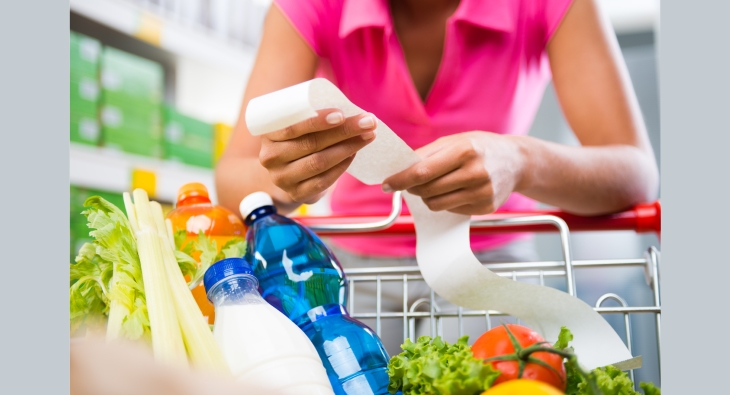
- Keep the receipt and review which unplanned purchases slipped in.
Could changing supermarket save £1,000 a year?
It is possible, but it depends on the size of your current grocery bill and the difference between your current shop and the alternative.
A household that reduces its grocery bill by £20 a week would save approximately £1,040 over 52 weeks. However, this assumes the saving is achieved consistently and is not cancelled out by fuel, delivery charges, food waste or extra impulse purchases.
A more realistic approach is to run a four-week test:
- Record the cost of your usual shop for two weeks.
- Buy a comparable list at the alternative supermarket for two weeks.
- Include fuel, parking and delivery fees.
- Note any products that went unused or required a second shopping trip.
- Compare the total cost rather than relying on one unusually cheap receipt.
“Food inflation may have slowed on paper, but families are still dealing with prices that have climbed substantially over several years. The best defence is to compare the products you buy most often, use loyalty discounts carefully and make reducing waste part of your savings plan.”
Jasmine Birtles, founder of MoneyMagpie
MoneyMagpie’s verdict
The latest inflation figures are encouraging, but they do not mean Britain’s food-price problem has disappeared.
Food and non-alcoholic drink inflation slowed to 1.7% in June 2026, while Worldpanel’s grocery measure fell to 2.6% in the four weeks to 12 July.
Nevertheless, these increases sit on top of several years of accumulated inflation. Chocolate, coffee, beef, olive oil, fish and orange juice can still cost dramatically more than shoppers remember paying in 2021.
For consumers focused on the lowest overall bill, Aldi was the cheapest supermarket in the latest complete Which? comparison, with Lidl only £1.45 behind when Lidl Plus prices were included.
That does not mean Aldi will be cheapest for every household or every product. The most effective strategy is to compare the foods you purchase repeatedly, use unit prices, test own-label alternatives and reduce the amount of food that ends up in the bin.
Frequently asked questions
What is the current UK food inflation rate?
ONS figures show that food and non-alcoholic drink prices increased by 1.7% in the 12 months to June 2026. Worldpanel’s separate measure of like-for-like grocery inflation was 2.6% in the four weeks to 12 July 2026.
Does lower inflation mean food prices are falling?
Not necessarily. A lower positive inflation rate means prices are still increasing, but at a slower pace. Prices fall across the market only when the inflation rate becomes negative.
Which is the cheapest UK supermarket?
Aldi was the cheapest supermarket in Which?’s June 2026 comparison, costing an average of £163.34 for 95 items. Lidl with Lidl Plus was second at £164.79.
Why is chocolate so expensive?
Chocolate prices have been affected by poor cocoa harvests, extreme weather, crop disease, global demand, sugar, energy, manufacturing and packaging costs. Some manufacturers have also reduced pack sizes.
How can I reduce my weekly food bill?
Plan meals, check existing food before shopping, use a list, compare unit prices, try own-label products, consider frozen alternatives, use loyalty offers selectively and freeze suitable reduced items before their use-by date.