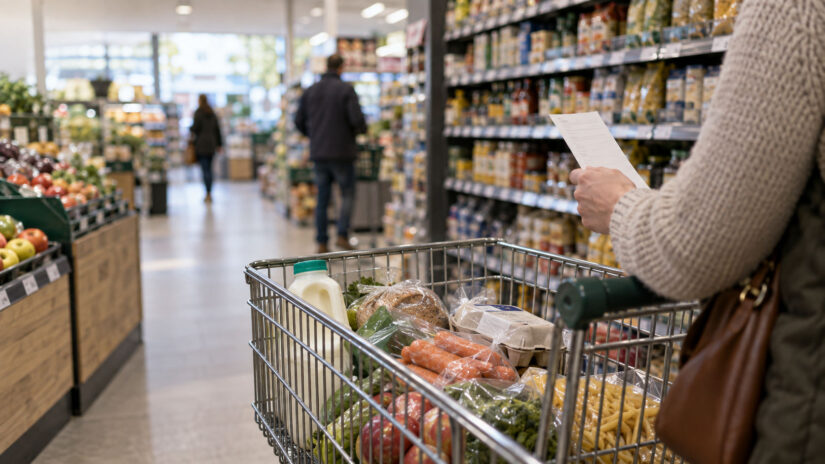





Why Everyday Life Feels So Expensive in 2026 — And How to Spend Less
For many households, it no longer feels like luxuries are the problem — it is the basics.
Food shopping, energy bills, petrol, toiletries, insurance and household essentials have all crept up in price, leaving many people wondering why life suddenly feels so financially exhausting.
And the difficult truth is that most households are not dramatically overspending. Instead, they are being quietly drained by dozens of smaller increases at the same time.
At MoneyMagpie, we regularly track pricing trends, supermarket shifts, loyalty pricing and cost of living changes affecting UK households. This guide combines practical savings advice, real-world examples and the everyday spending traps people often miss.
Quick answer: why does life feel more expensive?
Most households are not spending recklessly. Instead, they are being hit by:
- higher supermarket prices
- rising insurance renewals
- subscription stacking
- more expensive convenience spending
- energy and broadband increases
- silent price rises on everyday essentials
Small increases across dozens of categories can quietly add hundreds of pounds to monthly spending.
The real reason people feel poorer in 2026
Even though inflation headlines may sound less dramatic than they did during the height of the cost of living crisis, everyday life still feels expensive because people notice repeated spending most.
Small increases on essentials are psychologically more draining than occasional large purchases.
For example:
- milk rising by 40p
- higher broadband renewals
- more expensive packed lunches
- rising pet food costs
- higher takeaway delivery fees
- subscription creep
Individually these may not seem huge. Together, they can quietly transform a household budget.
The statistics behind the pressure
- UK food prices remain significantly higher than they were before the cost of living crisis
- Many households now juggle multiple paid subscriptions without realising the total monthly cost
- Research repeatedly shows millions of households overpay on broadband, insurance and mobile contracts simply by not switching providers
- Food waste remains one of the biggest hidden household expenses in Britain
Sources: ONS, Ofcom, WRAP and UK consumer pricing research.
The 5-Minute Money Leak Check
If you only do one thing after reading this guide, do this.
The MoneyMagpie 5-Minute Money Leak Check
- Check every recurring subscription on your bank statement
- Look at your last three supermarket receipts
- Check your broadband contract end date
- Review your convenience spending this week
- Identify your five most expensive regular purchases
Most households discover at least one major financial leak immediately.
1. Supermarket shopping: where most households overspend
Food shopping is now one of the biggest financial pressure points for UK households.
One of the biggest misconceptions is that people overspend because they buy luxury food. In reality, most overspending comes from convenience, food waste and unplanned shopping.
What actually works when reducing supermarket spending
- Shop with a list
- Use Aldi or Lidl for basics
- Check loyalty pricing before shopping
- Reduce food waste before reducing food quantity
- Compare unit pricing
- Avoid convenience top-up shops
- Batch cook simple meals
- Freeze leftovers early
The supermarket trap most people miss
People often focus heavily on finding the “cheapest supermarket”, but reducing food waste usually saves more money than changing supermarkets entirely.
2. The loyalty pricing illusion
Supermarket loyalty schemes can save money, but they can also distort how shoppers view pricing.
For example, a Tesco Clubcard deal may look dramatically cheaper than Aldi — until shoppers compare the price per 100g or realise Aldi’s own-brand version is still significantly cheaper overall.
This is why checking unit prices matters more than headline promotions.
3. Convenience spending is quietly draining budgets
One of the biggest modern financial drains is convenience.
Examples include:
- food delivery apps
- daily coffees
- same-day delivery
- small corner shop purchases
- premium delivery memberships
- “little treat” spending
These purchases rarely feel dramatic individually, which is exactly why they are so easy to underestimate.
4. Subscriptions are one of the fastest-growing hidden costs
Streaming platforms, apps, gaming memberships and monthly services can quietly build into a major household expense.
Many people no longer actively decide whether they value these subscriptions — they simply continue paying them.
The subscription reset
Cancel everything you do not use weekly.
If you truly miss it, you can always restart it later.
5. Why loyalty is expensive
Many households overpay simply because they stay loyal to providers for too long.
This is especially true for:
- broadband
- mobile contracts
- insurance
- TV packages
- energy providers
New customers are often rewarded more heavily than existing ones.
6. The emotional side of modern spending
Modern spending is designed to feel frictionless.
Apps, contactless payments and one-click purchases remove the psychological “pain” of spending money, making it easier to underestimate how much is leaving your account.
This is one reason many middle earners now say they constantly feel poorer despite working hard and budgeting reasonably carefully.
7. The easiest realistic ways to spend less in 2026
The most effective money-saving strategies are usually not extreme.
For most households, the biggest wins come from:
- reducing waste
- checking renewals
- tracking subscriptions
- shopping more intentionally
- reducing convenience spending
- avoiding panic purchases
- using loyalty pricing strategically
The question worth asking before every purchase
“Will this genuinely improve my life next month, or do I just want it right now?”
8. What to do if you genuinely cannot afford essentials
If you are struggling financially, do not ignore bills or avoid asking for help.
Support may be available through:
- energy hardship schemes
- water bill support funds
- council tax support
- food banks
- budgeting advances
- charitable grants
- debt charities
Seeking help early is almost always better than waiting for debts to escalate.
Final thoughts
The reason life feels so expensive in 2026 is not necessarily because people are irresponsible.
It is because everyday spending has become more complicated, more fragmented and more psychologically invisible.
The good news is that many of the biggest savings still come from small changes repeated consistently.
The goal is not perfection. It is reducing the financial leaks that quietly drain money without making life miserable.
Frequently Asked Questions
Why does everything feel more expensive even though inflation is falling?
Even when inflation slows, prices usually remain higher than before. Households also notice repeated everyday spending more than occasional larger purchases.
What is the quickest way to save money?
Most people save fastest by reducing repeated spending such as subscriptions, convenience shopping and food waste.
How can I reduce my food bill?
Planning meals, checking loyalty prices, reducing waste and avoiding convenience shopping are among the most effective methods.
What are the biggest hidden household costs?
Subscriptions, insurance renewals, broadband overpayments, food waste and convenience spending are among the biggest hidden drains.
Is Aldi still the cheapest supermarket?
Aldi remains one of the cheapest supermarkets for basics, but loyalty promotions at larger supermarkets can sometimes beat it on selected products.
How do I stop overspending?
Tracking repeated purchases, slowing down convenience spending and reviewing subscriptions monthly can make a major difference.