



Jasmine Birtles
Your money-making expert. Financial journalist, TV and radio personality.



 Teresa Etheredge
5th Nov 2026
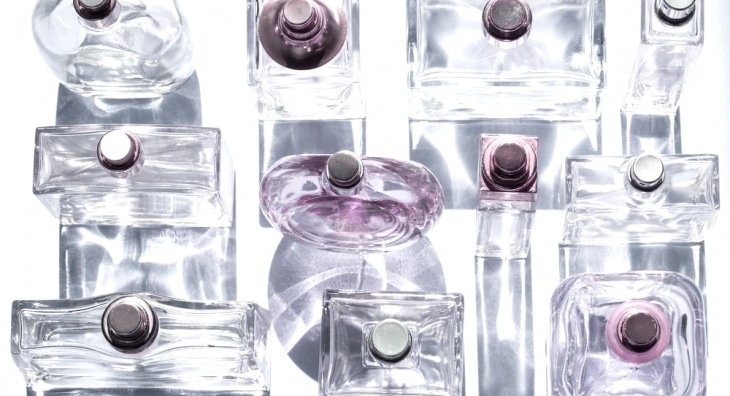
Before you throw away that empty perfume bottle, have another look at it. The fragrance might be long gone, but the bottle itself could still be worth something.
From designer perfume bottles to unusual vintage finds, there is a market for empty fragrance packaging, and some people are prepared to pay for bottles that most of us would simply put in the recycling.
Even if your bottle isn’t particularly valuable, there are plenty of ways to give it a second life. With a little creativity, you could turn it into something attractive enough to sell at a craft fair, online or at a local market.
So, before you clear out your dressing table, here’s how to work out whether your empty perfume bottles are worth money, where to sell them and what else you can do with them.
They certainly can be, although it’s important not to assume every designer bottle is a valuable collectable.
Empty bottles from names including Chanel, Dior, Marc Jacobs and Jean Paul Gaultier are regularly advertised on resale marketplaces. Some are listed for just a few pounds, while more unusual examples and collections may carry much higher asking prices.
The important distinction is that an asking price isn’t the same as a selling price. A bottle advertised for £50 isn’t necessarily worth £50 if nobody buys it.
As a general guide, these are the sorts of bottles worth investigating:
| Type of bottle | What makes it interesting? |
|---|---|
| Modern designer bottles | Recognisable names, distinctive shapes and original caps |
| Discontinued fragrances | Designs that are no longer produced |
| Vintage perfume bottles | Age, decorative detail and collectability |
| Antique glass bottles | Makers’ marks, craftsmanship and condition |
| Decorative empty bottles | Attractive shapes suitable for crafting |
The best way to establish a realistic price is to search for your exact bottle on eBay and filter the results to show sold items, rather than relying on current listings.
You might be surprised by which bottles attract attention.
Some fragrances come in packaging that’s almost as appealing as the perfume itself. Think of the distinctive flower-topped Marc Jacobs Daisy bottles, the sculptural Jean Paul Gaultier designs or the classic Chanel No. 5 bottle.
Even when empty, these can appeal to collectors, people looking for replacement decorative pieces or those who simply enjoy displaying perfume bottles.
Don’t assume that an expensive fragrance automatically means an expensive empty bottle. Rarity, condition and actual buyer demand matter far more.
An original decorative cap, stopper or presentation box may make a bottle more appealing to collectors.
If you’re planning to sell a bottle, keep all its original components together and photograph them clearly.
eBay is a useful starting point because you can research completed sales and compare your bottle with similar examples.
Etsy may be worth exploring for eligible vintage and decorative bottles, provided your item meets its selling rules.
Gumtree and local selling groups can be useful for inexpensive collections, particularly if you’d rather arrange collection than pay for postage.
For more unusual antique bottles, consider contacting an antiques dealer or auction house before listing them yourself.
Remember to check selling fees, postage costs and the platform’s latest policies before deciding where to sell.
Some marketplaces permit genuine empty perfume bottles, but sellers must comply with their rules, including intellectual property and accurate-description requirements.
Never refill a branded bottle with another fragrance and attempt to sell it as the original perfume.
If you’ve inherited an old dressing table, bought a box of toiletries at a car boot sale or discovered some forgotten bottles in a relative’s house, it’s worth checking them before getting rid of anything.
Vintage perfume bottles can be collectable in their own right, particularly if they feature unusual glasswork, decorative stoppers or distinctive designs.
Names worth researching include Lalique and Baccarat, although a name or similar-looking design alone doesn’t establish authenticity or value.
Look for identifying marks on the base, original labels and any information about the manufacturer.
Condition matters too. Chips, cracks, missing stoppers and heavy staining may affect what a collector is prepared to pay.
If you suspect you have something genuinely unusual, don’t start scrubbing away labels or polishing delicate details. You could accidentally damage the very features that make it interesting.
Instead, photograph it and ask a specialist for advice.
Not every perfume bottle needs to be a collectable to find a buyer.
Crafters sometimes look for attractive little glass bottles for decorative projects, wedding displays, miniature flower arrangements and other creative uses.
If you have several empty bottles that aren’t worth selling individually, consider putting them together in a bundle.
For example, you could collect five or ten bottles in different shapes and sizes, photograph them together and advertise them as an empty perfume bottle craft collection.
This can make more sense than selling a single inexpensive bottle, especially once postage and selling costs are taken into account.
Search for the exact brand and bottle size, then check sold prices. Work out the likely return after fees, packaging and postage.
If you’re only going to make a pound or two from an individual bottle, bundling several together might be the better option.
If selling the bottle as it is doesn’t appeal, why not turn it into something completely different?
Some perfume bottles are so attractive that they make lovely ornaments with very little effort. You don’t need expensive equipment or specialist skills to get started.
Here are a few ideas.
This is probably the simplest way to reuse an empty perfume bottle.
Remove the spray fitting if it can be taken off safely, clean the bottle thoroughly and add a few small flowers or a single stem.
Tiny bottles can look particularly pretty grouped together on a windowsill or dining table.
For a product you intend to sell, consider using dried or artificial flowers, which are easier to package and don’t need water.
Clear perfume bottles can be filled with coloured sand, tiny shells, beads or other decorative materials.
They can make pretty ornaments for bathrooms, bedrooms or dressing tables.
If you’re planning to sell them, make sure the contents are secure and clearly describe them as decorative items rather than toys.
Small dried flowers can look lovely inside transparent bottles, particularly those with interesting shapes.
Try experimenting with different colours and arrangements. A collection of three coordinating bottles could make an attractive handmade gift.
Some perfume bottles can be repurposed as reed diffuser holders, although bottles with narrow openings and stable bases are generally more practical.
You could use one at home with a suitable commercial diffuser refill, following the manufacturer’s instructions.
If you want to sell finished reed diffusers, however, you’ll need to understand the relevant chemical classification, labelling and product safety requirements. Selling an empty decorative holder is a simpler place to start.
Sometimes a bottle doesn’t need transforming at all.
An unusually shaped bottle, particularly one with a decorative lid, can look beautiful displayed alongside jewellery, a mirror or other vintage accessories.
If it’s in good condition, you may be able to sell it as a decorative object without spending anything on extra materials.
If you love fragrance, making your own perfume could become an enjoyable hobby and potentially a small business.
Perfume is usually built around three types of fragrance notes.
Top notes are the scents you tend to notice first, such as citrus and lighter herbal fragrances.
Heart notes form the middle of the fragrance and may include floral, fruity or spicy scents.
Base notes tend to linger longer and might include vanilla, woody notes or musk-style fragrance materials.
Experimenting with combinations is part of the fun, but perfume formulation involves more than simply mixing essential oils together.
Some essential oils can cause irritation or allergic reactions, and others have restrictions on safe use. Synthetic fragrance ingredients aren’t automatically more irritating than natural ones.
It’s important to use suitable ingredients, follow safety guidance and avoid applying undiluted essential oils to your skin.
Yes, but you cannot simply mix up a batch, pour it into old bottles and start selling it.
In Great Britain, cosmetic products such as perfume must meet legal requirements, including an appropriate safety assessment, a Product Information File, a designated Responsible Person, compliant labelling and notification through the relevant government service before being placed on the market. Northern Ireland has different regulatory arrangements.
You’ll also need to consider product liability insurance and whether your packaging is suitable for the formulation.
For this reason, making perfume for personal enjoyment is very different from selling it commercially.
Before spending money on ingredients and packaging, read the official regulations and work out your start-up costs.
Read the government’s cosmetic product guidance.
You can also read our MoneyMagpie guide to making money selling your own perfume.
Once you’ve experimented with a few designs, you could consider selling your creations.
Local craft fairs, community markets and seasonal events can be good places to test whether people are interested in your work.
The advantage of starting with empty perfume bottles is that you may already have your main material sitting at home.
However, don’t forget to account for the cost of decorative materials, your time, market fees and any packaging.
Start with a handful of pieces rather than spending a fortune creating stock before you know what people want.
You could also try selling your finished decorations online, checking that the products meet the relevant marketplace rules.
Before you do anything with an empty bottle, you’ll need to make sure it’s suitable for your intended project.
Perfume bottles can retain strong scents and traces of fragrance long after they appear empty.
For bottles intended for decorative use:
Some atomisers are sealed and cannot be removed safely. Don’t attempt to break or cut the glass to get inside.
If the bottle is antique or potentially valuable, cleaning it aggressively may reduce its appeal to collectors. Seek advice before doing anything that could alter its original condition.
Avoid turning old perfume bottles into oil lamps or candle holders. Perfume bottles are not necessarily designed to withstand heat or naked flames, and residual fragrance may contain flammable substances.
Decorative projects that don’t involve heating or cutting glass are a much safer option.
This depends on what you’re selling and whether there’s demand for it.
An ordinary empty perfume bottle may only attract a few pounds, while a collectable vintage example could command considerably more.
For handmade decorations, the amount you charge needs to reflect the finished product, the materials used and the time involved.
Here’s a simple example of how you might calculate a price for an upcycled decoration.
| Example cost | Amount |
|---|---|
| Empty perfume bottle | £0 |
| Decorative flowers | £2.00 |
| Ribbon and finishing materials | £0.50 |
| Packaging | £1.00 |
| Total materials and packaging | £3.50 |
| Hypothetical selling price | £10.00 |
| Amount left before other costs | £6.50 |
This is an illustrative calculation, not a verified market selling price. You’ll still need to deduct any selling fees, postage you pay, market charges and the value of your time.
The easiest way to find out whether a particular design will sell is to make a few examples and test the market.
Yes. Empty perfume bottles can be sold as collectables or decorative items, subject to the selling platform’s rules and applicable laws. Always describe them accurately and make it clear that no perfume is included.
Rare antique bottles, distinctive vintage designs and sought-after discontinued bottles may be more valuable than ordinary modern packaging. Condition, authenticity, original stoppers and collector demand all matter.
Genuine empty branded bottles can be listed on some marketplaces, provided you comply with their rules and don’t infringe intellectual property rights. Never refill branded bottles with another product and pass them off as original fragrances.
eBay is useful for researching prices and reaching collectors, while Etsy may suit eligible vintage items. Specialist auction houses can be worth considering for potentially valuable antique examples.
Potentially. Empty bottles can be transformed into decorative vases, ornaments and dried flower displays. Whether you make a profit depends on demand, materials, selling costs and how much time you spend making them.
The next time you finish a bottle of perfume, don’t automatically throw it away.
It might only be worth a couple of pounds, but that’s still money you wouldn’t have had otherwise. And if it’s a rare or unusual design, it could be worth investigating further.
Even bottles with little resale value can be turned into attractive decorations, given away to someone who enjoys crafting or used to experiment with a new hobby.
You probably won’t make a fortune from the contents of your dressing table, but making a little extra money from something you were about to throw away is always worth considering.
For more ideas, read our guides to upcycling ordinary items into homewares and making money from empty toilet rolls.
Your money-making expert. Financial journalist, TV and radio personality.







Do you buy perfume bottles? I have many
Beware you cannot sell decorated Chanel bottles even if you take the labels off (except for personal use) You can sell an empty bottle but you cannot sell decorated Chanel bottles…Why? because Chanel will claim copyright. Whereas most perfume companies do not mind, Chanel are against you using and selling decorated Chanel bottles. I find it ridiculous when we are told to recycle, recycle, recycle and yet Chanel would rather we chucked them in the bin. I am of the opinion that if I have paid money for that bottle of perfume, it is mine to do whatever I like… Read more »
Right. I’m sure the Chanel lawyers are gonna march right up to the church yard craft stand and demand you remove your upcycled Chanel projects.
Nice ideas you shared with us. To reuse the perfume bottle and make your own perfume and fill it in the perfect and unique one bottle.
Good idea to repurpose used perfume bottles as they are still appealing objects.