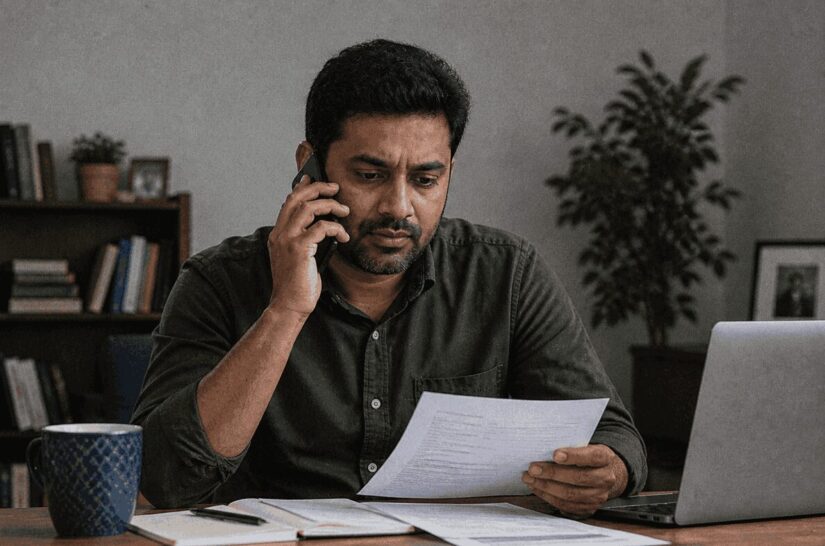





Summer spending, family days out and back-to-school costs can leave household finances painfully stretched. If there is not enough money to pay every bill, experts say it is vital to understand which debts could have the most serious consequences.
The most important thing to know
The creditor shouting loudest is not necessarily the creditor you should pay first.
A priority debt is not automatically the largest debt or the one charging the most interest. It is a debt where falling behind could threaten your home, essential services, essential belongings or legal position.
If you have an eviction notice, court date, bailiff notice, disconnection warning or repossession threat, get free specialist advice urgently. That particular debt may need to move straight to the top of your list.
September can bring a financial hangover even when summer spending was carefully planned.
There may be credit card purchases from the school holidays, annual trips that cost more than expected, new uniforms, school shoes, childcare bills and the first thoughts of putting the heating back on.
For households already living close to the edge, this can create an impossible-looking collection of Direct Debits, arrears letters and payment reminders.
It is not a small or unusual problem. Citizens Advice reported in March 2026 that the average debt owed by people it was helping had reached a record £9,500. On average, 42% of that debt involved arrears on essential bills, including energy and Council Tax.
The figures underline why it is important to distinguish between ordinary borrowing and debts connected to essential household costs.
MoneyHelper explains that priority debts are identified by the seriousness of the possible consequences, not simply by their balance or interest rate.
That does not mean credit cards, loans or overdrafts can be ignored without consequences. It means that when there genuinely is not enough money for everything, protecting your immediate wellbeing, home and essential services will usually come first.
Before paying debts, protect your basic needs
Before dividing the available money between creditors, make sure you have allowed reasonable amounts for food, necessary medication and other basic household needs.
You may also need money for essential travel to work, childcare or a phone and internet connection needed for employment, benefits, education or medical support.
This is not an excuse to avoid debt. A regulated debt adviser will normally help you prepare a realistic budget that covers essential living costs before calculating what can safely be offered to creditors.
Your first gentle step
Do not try to solve every debt in one sitting. Start by opening the letters and identifying the nearest serious deadline.
If you feel frozen, ask somebody you trust to sit with you while you sort the envelopes into housing, household bills, government debts and borrowing. You can also take the unopened letters to a free debt adviser.
The suggested debt priority list
There is no universal numbered order that will suit every household. Your health, housing, employment, family circumstances and any legal action already underway can all change what needs attention first.
However, the following order offers a practical starting point based on guidance from MoneyHelper, StepChange and Citizens Advice.
1Immediate court, eviction or enforcement deadlines
Look first for court hearing dates, eviction or possession notices, bailiff notices, warrants, energy disconnection warnings and threats to repossess essential goods.
If one of these has arrived, it may override the rest of the list. Seek specialist advice immediately and do not miss a court hearing because you feel embarrassed or believe nothing can be done.
2Rent, mortgage and secured housing payments
These are priority payments because continuing arrears can ultimately put your home at risk. Contact your landlord, housing association or mortgage lender as soon as you know there is a problem.
3Council Tax, court fines and urgent legal debts
Council Tax arrears and court fines can escalate into court or enforcement action. Do not ignore a summons, liability order or court fine because other lenders are contacting you more frequently.
4Child maintenance, tax and certain government debts
HMRC, the Child Maintenance Service and government departments can have strong recovery powers, including deductions from earnings, benefits or bank accounts in certain circumstances.
5Gas and electricity
Current energy debt is normally a priority because it concerns an essential service. Prepayment customers can lose access to energy immediately if they cannot afford to top up.
6Essential hire purchase or car finance
This may be a priority if the financed item is genuinely essential, such as a vehicle required for work or disability, or a fridge used to store medicine.
7TV Licence, if you need one
If you watch or record live television or use BBC iPlayer, you need an appropriate TV Licence. If you do neither, check whether the licence can be cancelled instead of allowing arrears to grow.
8Essential phone and broadband
These may become personal priorities when needed for work, job seeking, medical support, disability needs, benefits or education.
9Water bills
Domestic water cannot be disconnected in England and Wales, but arrears can still lead to recovery action, benefit deductions in some circumstances and possible court proceedings.
10Credit cards, overdrafts and unsecured borrowing
These are normally non-priority debts because the creditor cannot directly remove your home, energy supply or an essential item used as security. They still need to be addressed once essential costs and priority debts are stabilised.
Important: this list can change
A debt at number eight with a disconnection deadline tomorrow could require attention before a debt at number three where an affordable arrangement is already in place.
The list is a starting point, not a personal instruction to stop paying particular creditors.
Need a little help getting your debts under control?
Sign up for MoneyMagpie’s free debt emails and receive simple, manageable steps designed to help you understand your options and move forward.
What happens if you miss each type of payment?
Free, practical guidance delivered in easy-to-follow stages.
| Payment | Why it matters | Possible consequences of falling behind |
|---|---|---|
| Rent | Your home could eventually be at risk. | Arrears, landlord contact, possession proceedings, court costs and possible eviction after the required legal process. |
| Mortgage or secured loan | The debt is secured against your home. | Arrears charges, credit-file damage, possession action and possible repossession following the proper legal process. |
| Council Tax | Councils have strong recovery powers. | Loss of instalment rights, a larger balance becoming due, court costs, a liability order, deductions and enforcement agents. |
| Gas and electricity | These are essential household services. | An arrears plan, debt recovery, possible prepayment-meter action and, in limited circumstances subject to protections, disconnection. |
| Court fines | The debt is connected to a court order. | Deductions, enforcement action and serious sanctions in exceptional cases involving deliberate non-payment. |
| Child maintenance | The Child Maintenance Service has significant enforcement powers. | Deductions from earnings, benefits or bank accounts, added enforcement costs and further court action. |
| Tax, National Insurance or VAT | HMRC has strong recovery powers. | Interest, penalties, deductions, debt collection, enforcement and court action. |
| Essential hire purchase or car finance | The lender may have rights over the financed item. | Late charges, credit damage, termination of the agreement and possible repossession of the goods. |
| TV Licence | Watching licensable television without a licence can be an offence. | Investigation, prosecution and a court fine if you continue watching television that requires a licence. |
| Phone and broadband | The service may be personally essential. | Restricted service, disconnection, early termination costs, debt collection and credit-file damage. |
| Water | The supply cannot be cut off domestically in England and Wales, but the debt remains payable. | Collection activity, possible deductions from benefits and court action. |
| Credit cards and store cards | Usually unsecured and non-priority. | Interest, fees, loss of promotional rates, defaults, collection activity and eventual court action. |
| Personal or payday loans | Usually unsecured unless the agreement says otherwise. | Interest or charges, credit damage, default, collection and possible court proceedings. |
| Buy Now, Pay Later | This is still a form of credit. | Late charges or interest where applicable, restricted use of the service, collection activity and possible credit-file consequences. |
| Overdraft | The bank can charge interest and may reduce or withdraw the facility. | Interest, loss of the overdraft facility, collection action and possible difficulty using the account. |
| Family and friends | The personal pressure can be substantial, although the debt is usually non-priority legally. | Damage to relationships and possible court action, but normally not the immediate loss of housing or essential services. |
Rent and mortgage arrears
Missing one payment does not normally mean that somebody will immediately lose their home. However, housing arrears should never be left to grow without communication.
A landlord or lender must follow the relevant legal process before an eviction or repossession can happen. The rules differ according to the type of tenancy, mortgage and part of the UK.
Citizens Advice classifies rent, mortgage and secured-loan arrears as priority debts because continued non-payment can ultimately put the home at risk.
Contact the landlord or lender, explain what has changed and ask about affordable options. Keep copies of correspondence and do not agree to a repayment amount that leaves you unable to buy food or pay current essential bills.
Do not hand back your keys, leave the property or agree to sell your home under pressure without first obtaining independent housing and debt advice.
Council Tax arrears
Council Tax arrears can escalate quickly. A missed instalment may lead to a reminder, followed by the loss of the right to continue paying monthly. This can make a much larger amount due sooner than expected.
The council can seek a liability order and add court costs. It may then use deductions from earnings or benefits, enforcement agents or other permitted recovery methods.
Contact the council and ask about an affordable arrangement. Also check whether you qualify for Council Tax Reduction, a single-person discount, a disability-related reduction or other local help.
References to imprisonment in debt guidance generally concern extremely serious cases involving wilful refusal or culpable neglect, not somebody who genuinely cannot pay and engages with the process. Take immediate advice if court action has begun.
Energy arrears
Your supplier should work with you to consider an affordable repayment plan. Depending on your situation, this could include more time to pay, smaller instalments, a temporary reduction or access to a hardship fund.
Tell the supplier if anybody in the household is elderly, disabled, pregnant, very young or dependent on electrical medical equipment. Ask whether you qualify for its Priority Services Register.
Car finance and hire purchase
A financed car may need to sit high on the list if losing it would also mean losing your job or being unable to meet disability or medical needs.
However, do not assume that voluntary surrender, voluntary termination and repossession have the same financial consequences. They do not.
Check the agreement and obtain independent advice before returning, hiding or attempting to sell financed goods. The lender’s rights can depend on the type of finance and how much has already been paid.
Credit cards and unsecured loans
Credit cards, store cards, catalogues, unsecured personal loans, payday loans and many Buy Now, Pay Later agreements are usually non-priority debts.
Missing payments can still lead to interest, fees, defaults, credit-file damage, debt collection and eventually court action. However, these consequences are normally less immediate than losing a home or essential service.
If you can afford minimum payments after essential living costs and priority debts, continue paying them. If you cannot, contact the lenders and explain your situation.
Ask whether they can:
- Accept a temporarily reduced payment
- Freeze or reduce interest and charges
- Move the payment date
- Provide a short payment deferral
- Give you time to obtain free debt advice
- Communicate in writing if telephone calls are causing distress
Do not borrow more just to silence a creditor
Using a new high-interest loan or another credit card to cover existing borrowing can turn a temporary shortfall into a much deeper problem.
Before consolidating debts, transferring balances or borrowing against your home, speak to a free debt adviser. A lower monthly payment can sometimes mean paying considerably more over a longer period.
What if you cannot afford the priority debts?
A priority list does not create money where none exists.
If your income does not cover food, housing, energy and other essential commitments, this may be a negative budget rather than a problem that can be fixed by cutting out small treats.
Take these five steps:
- Open every letter. Identify court dates, notices and urgent deadlines.
- Write down every bill and debt. Include balances, arrears, normal payments and any action threatened.
- Prepare a basic household budget. Allow realistic amounts for food, medication, energy and essential travel.
- Contact priority creditors. Say you are in financial difficulty and are seeking free debt advice.
- Speak to a regulated debt adviser. Do this before paying a commercial debt company or committing to a formal debt solution.
MoneyHelper recommends contacting creditors as early as possible. Reaching out before a payment is missed can give the provider more time to consider support.
Could Breathing Space help?
In England and Wales, the Debt Respite Scheme, commonly called Breathing Space, can provide temporary protection from most creditor contact, enforcement action, interest and charges on debts included in the scheme.
A standard Breathing Space usually lasts for up to 60 days and must be arranged through an authorised debt adviser.
It is not a payment holiday, it does not write debts off and current household liabilities should normally continue to be paid where possible.
Not every debt or payment can be included. StepChange explains the Breathing Space rules and exclusions, which include certain court fines, student loans and ongoing child maintenance obligations.
Scotland has different protections and debt solutions, including the Debt Arrangement Scheme. Northern Ireland also has different debt and enforcement procedures. Always obtain advice for the part of the UK in which you live.
Free debt help
You do not need to pay a claims company or commercial debt-management business to receive debt advice.
StepChange Debt Charity
Free online and telephone debt advice.
National Debtline
Free, confidential and independent debt advice.
Citizens Advice
Debt, benefits, housing and consumer guidance.
MoneyHelper
Government-backed money and pensions guidance.
Business Debtline
Help for self-employed people and small businesses.
Shelter
Housing advice when a tenancy or home may be at risk.
If you have received court papers, an eviction notice, a repossession warning, an enforcement notice or a threat to disconnect an essential service, say this immediately when asking for help.
A missed payment is not a moral failure
Debt can make people freeze. Letters remain unopened because every envelope feels threatening, while telephone calls go unanswered because it seems there is nothing useful to say.
That reaction is understandable, but silence can make the practical problem more difficult.
You do not have to solve every debt today. Start with the letter carrying the nearest deadline, one call to a free adviser or one message telling a creditor that you are struggling.
A missed payment can have consequences, but most of those consequences do not all happen immediately. Creditors also have procedures for supporting customers experiencing financial difficulty.
The earlier you ask for help, the more options you may have.
Frequently asked questions
Which debts should I pay first?
Protect essential living costs and then deal with debts carrying the most serious consequences. These commonly include housing arrears, Council Tax, court fines, current energy debt, child maintenance, certain tax debts and finance secured against an essential item. Any immediate court or enforcement deadline may move a debt to the top.
Should I pay my rent or credit card first?
Rent is normally the priority because continued arrears could put your home at risk. Credit card debt remains payable and can affect your credit record, but it is generally an unsecured, non-priority debt. Seek individual advice before changing payments.
Will one missed payment destroy my credit score?
A missed payment can be reported to credit-reference agencies and may affect future borrowing, but the precise effect varies. Contact the lender quickly, explain what happened and ask what support is available.
Can I go to prison simply because I cannot pay a debt?
You cannot generally be imprisoned simply for being unable to pay ordinary consumer borrowing. Very serious sanctions can exist for certain court fines, Council Tax or child-maintenance cases involving deliberate refusal or neglect, but inability to pay is different. Get urgent advice if court action is underway.
Should I cancel my Direct Debits if I cannot afford them?
Do not cancel payments without checking the consequences. Cancelling a Direct Debit does not cancel the underlying contract or debt. Speak to the provider and a free debt adviser first, particularly where the payment concerns housing, energy or an essential financed item.
Important financial and legal disclaimer
This article provides general information and a suggested framework only. It is not personal financial, debt, legal, tax, housing or benefits advice. It should not be treated as an instruction to stop, reduce, cancel or rearrange any particular payment.
The correct priority will depend on your individual circumstances, the terms of each agreement, where in the UK you live, whether legal or enforcement action has begun, the needs of people in your household and the consequences of losing a particular service or item.
Debt law and recovery procedures differ across England, Wales, Scotland and Northern Ireland. A debt described as non-priority can still lead to interest, charges, court action, damage to your credit record and enforcement if it remains unresolved.
Do not ignore court papers, possession or eviction notices, enforcement notices, disconnection warnings, demands from government bodies or letters concerning essential financed goods. These may require urgent specialist help and may change the order in which you need to act.
Before cancelling a Direct Debit or continuous payment authority, reducing payments, surrendering financed goods, leaving your home, consolidating debts, borrowing against property or entering a formal or informal debt solution, speak to a free authorised debt adviser.
Interest and charges may continue during reduced-payment arrangements. Payment arrangements, defaults and debt solutions may affect your credit record, access to future borrowing, assets and the total amount repaid.
MoneyMagpie does not know your personal circumstances and cannot recommend an individual debt solution through this article. Eligibility for benefits, grants, social tariffs, Breathing Space and formal debt remedies is subject to rules and individual assessment. Check information with the relevant creditor, regulator, government body or qualified adviser before acting.
If debt is affecting your mental health or you feel unable to cope, tell your debt adviser and creditors. Samaritans can be contacted free at any time on 116 123. If you or another person is in immediate danger, call 999 or go to A&E.