



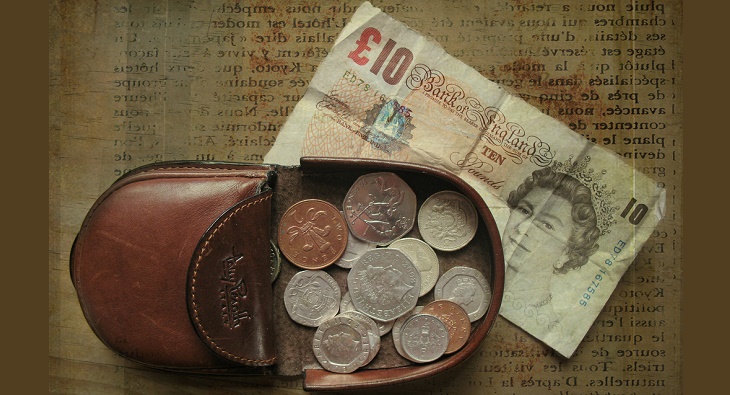

Contactless cards, Apple Pay and QR codes have made paying with cash feel almost old‑fashioned. But while a cashless society might sound sleek and convenient, the rapid move away from coins and notes raises serious questions about financial exclusion. Who risks being left behind when the UK goes fully digital — and what can you do if you rely on cash?
At a glance:
- Cash use in the UK has fallen to under 15% of payments in 2025.
- ATM and bank branch closures hit rural and older populations hardest.
- Cash remains important for budgeting, privacy and resilience.
Why the UK is Moving Towards Cashless
The move away from cash is driven by multiple forces: the rise of contactless cards and mobile wallets, business incentives to reduce cash handling, and a steady reduction in high‑street bank branches and ATMs. For many urban, tech‑savvy people this is simply more convenient — but the change isn’t evenly felt.
- Decline in cash use: note use and coin circulation have dropped dramatically since 2010.
- Digital payments boom: Apple Pay, Google Pay and contactless cards are standard in many shops.
- Business preference: smaller retailers sometimes refuse cash to reduce costs and risk.
- Bank & ATM closures: fewer branches mean less access, especially outside cities.
Who Gets Left Behind?
Not everyone can move online easily. Here are the groups most at risk of being excluded:
- Older people: Many prefer cash and find apps confusing.
- Rural communities: ATM closures force long travel for withdrawals.
- Low‑income households: Cash makes budgeting and day‑to‑day management easier.
- Unbanked people: over one million adults in the UK don’t use mainstream banking.
- Disabled people: Digital interfaces and PIN entry can pose practical barriers.
Why Cash Still Matters
Before you assume cash is obsolete, consider what it still provides:
- Budgeting: physically spending cash can help people stick to limits.
- Resilience: cash works during power cuts or network outages.
- Privacy: cash doesn’t create a transaction trail.
- Inclusion: cash allows participation for anyone, regardless of tech skills.
Is the UK Protecting Access to Cash?
There are rules intended to keep cash accessible. Since 2023 banks and Post Office networks have had obligations to maintain reasonable access to cash — but in practice the experience varies. Local campaigns have sprung up where closures hit hardest.
| Replacement options | Pros | Cons |
|---|---|---|
| Banking hubs | Shared resource, staff help | Limited opening hours |
| Cashback at shops | Convenient, no ATM fees | Requires shop cooperation, some limits |
| Post Office services | Nationwide footprint | Queues, limited tills |
What You Can Do If You Rely on Cash
- Find local options: use your bank’s locator and the Post Office finder to map nearest withdrawals.
- Use cashback: many supermarkets and shops offer cashback on debit purchases — useful if ATMs close.
- Speak up: complain to your bank and local MP if a closure affects vulnerable residents.
- Budgeting alternatives: try a digital ‘envelope’ app if you must move online — it can mimic cash controls.
- Mix methods: keep some cash for emergencies while using cards for day‑to‑day spending.
The Bigger Question: Should We Worry?
A totally cashless UK would be convenient for many but could mean exclusion for the vulnerable. The main challenge is finding the balance between embracing digital payments and protecting access to cash for those who need it.
FAQ
Will the UK ever be fully cashless?
Experts expect the UK may become functionally cashless by the 2030s, but laws and community action are likely to protect some access to cash.
Why do some people need cash?
Cash helps with budgeting, privacy and is essential for those without reliable internet, smartphones, or bank accounts.
Can shops legally refuse cash in the UK?
Yes — shops can set the payment methods they accept. If a shop refuses cash, they must communicate it clearly to customers.